The One-Year-Old Birthday Wishlist: An SLP’s Evidence-Based Guide
As a pediatric speech therapist, every time a child in the family has a birthday party, I am asked "What should I buy for them?" and "What helps in language development?" I decided to write this blog as a wishlist reference for friends and family members who have an almost one-year-old's birthday party coming up and don't know what to purchase.
The plus side is, I’m going to explain exactly why I chose certain toys for play and language development. That way, you can take that knowledge, apply it to any toy you're interested in, and decide for yourself whether that first birthday gift will be helpful for your little one's words or not!
When I look at toys for a first birthday, I’m not just thinking about today. I’m looking for toys that a child can use from now until they turn two. During this year, a child’s vocabulary typically grows from one or two words to over fifty, and they start putting those words together!
To help you choose, I’ve broken my wishlist into categories based on how they support that incredible transition and sprinkled in some explanations so you can also learn how to pick toys for your little ones!
The 12-18 Month Period:
When toddlers are between 12 and 18 months old, the way they play becomes much more intentional as they enter the stage of Functional Object Use. This developmental milestone is a "fancy" way of saying your child is learning exactly what objects are "supposed" to do in the real world (Basso et al., 2021). You will notice they aren't just indiscriminately banging a toy car anymore; instead, they are pushing it across the floor and perhaps even copying you if you model a sound like "Vroom!" or "Beep beep!" (Westby, 2000).
During these months, and according to American Speech & Hearing Association (ASHA), you should see them looking around or pointing when you ask simple questions like "Where’s the dog?" or following simple directions when you pair them with gestures. This is also the exciting stage where their expressive language truly begins to bloom, with first words typically emerging around the 12-month mark and meaningful gestures like waving "bye-bye" or pointing to share interest becoming a regular part of their communication (ASHA, 2026). Because toddlers at this age learn best through imitation, it is helpful to narrate your play together, emphasizing key words to help them map new sounds to these functional actions (Fernald, 1985).
Based on all these developmental milestones, here are some of my absolute favorite toys to purchase.
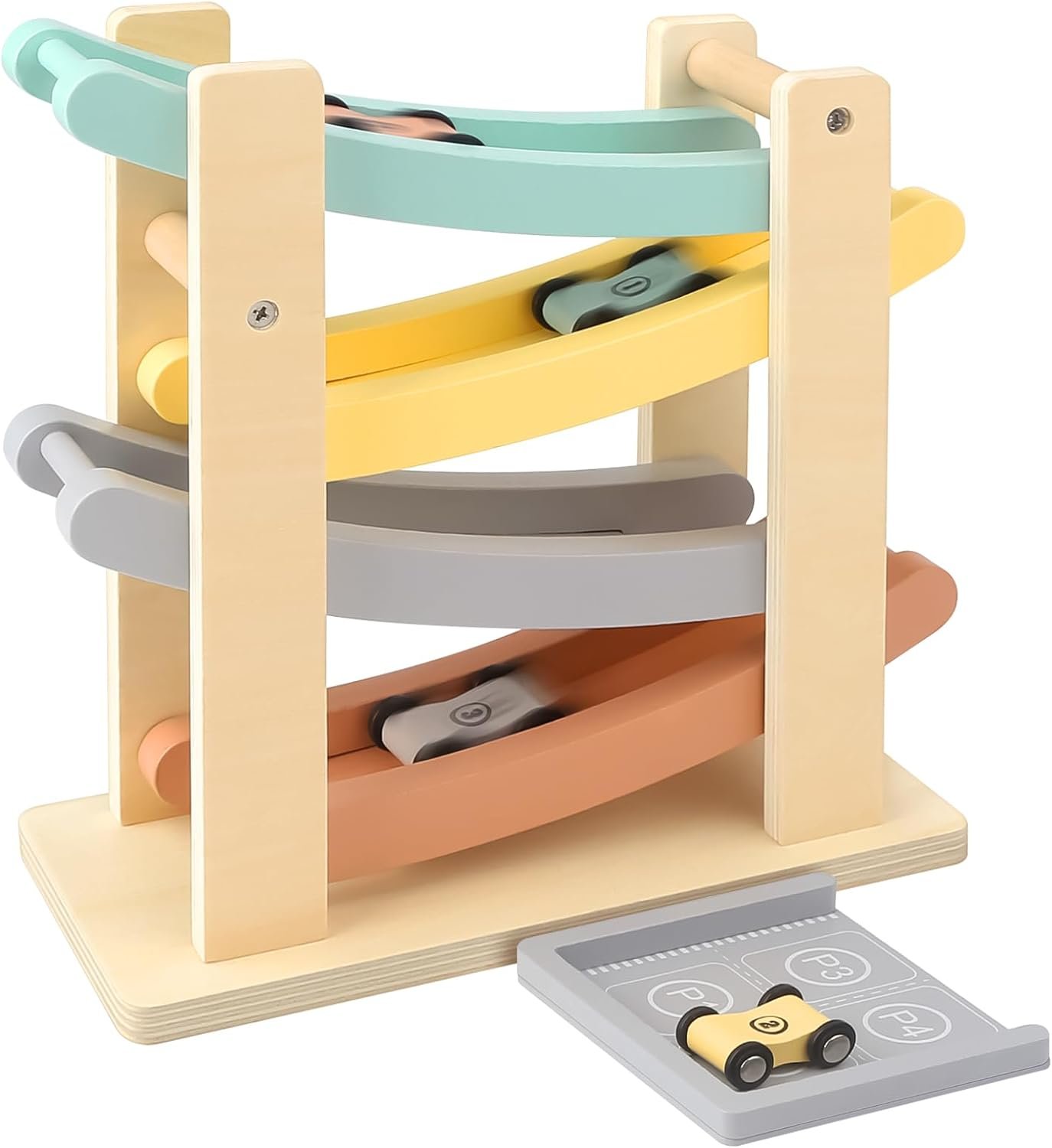
Race Track:

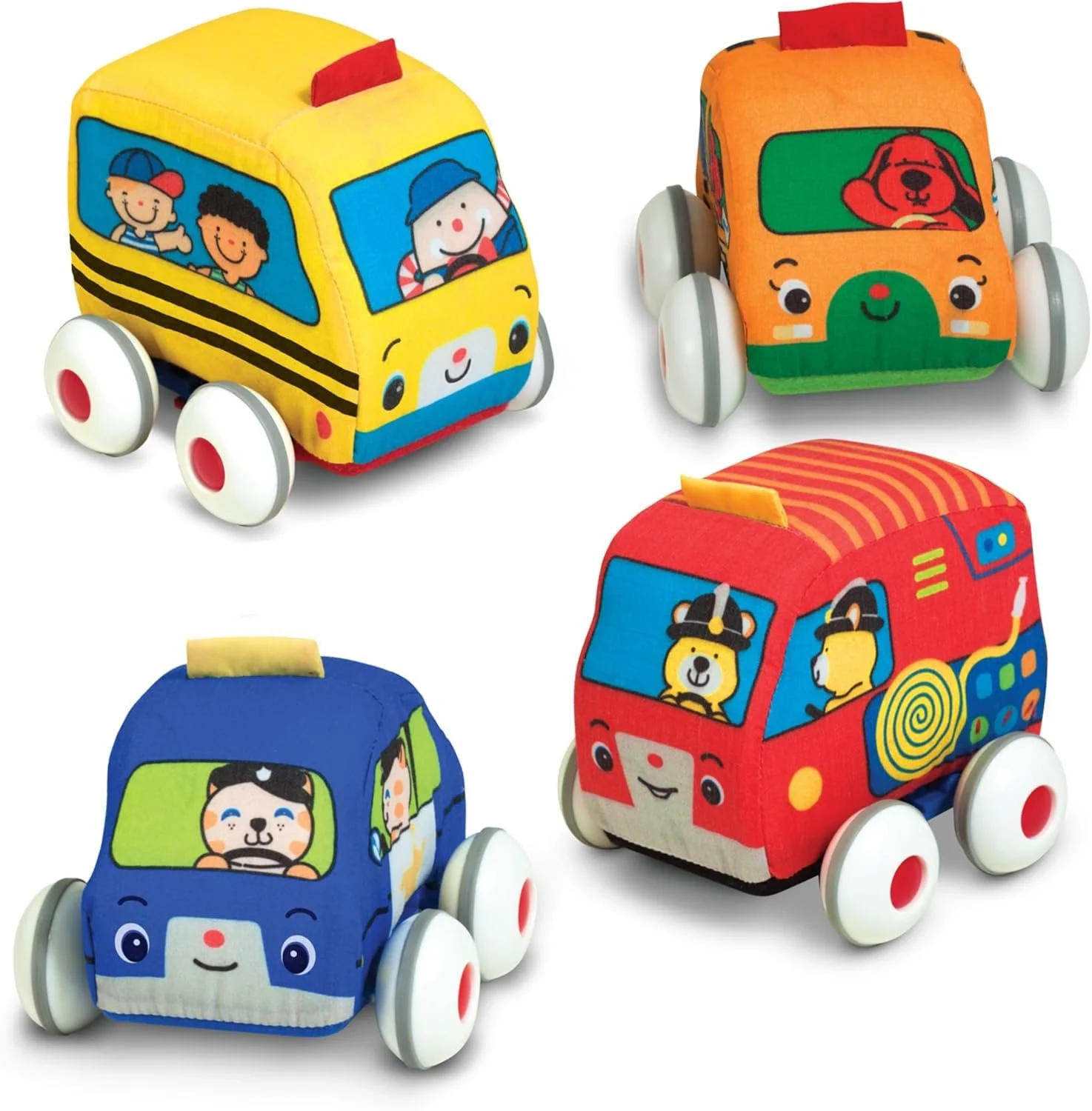
Pull Back Cars:
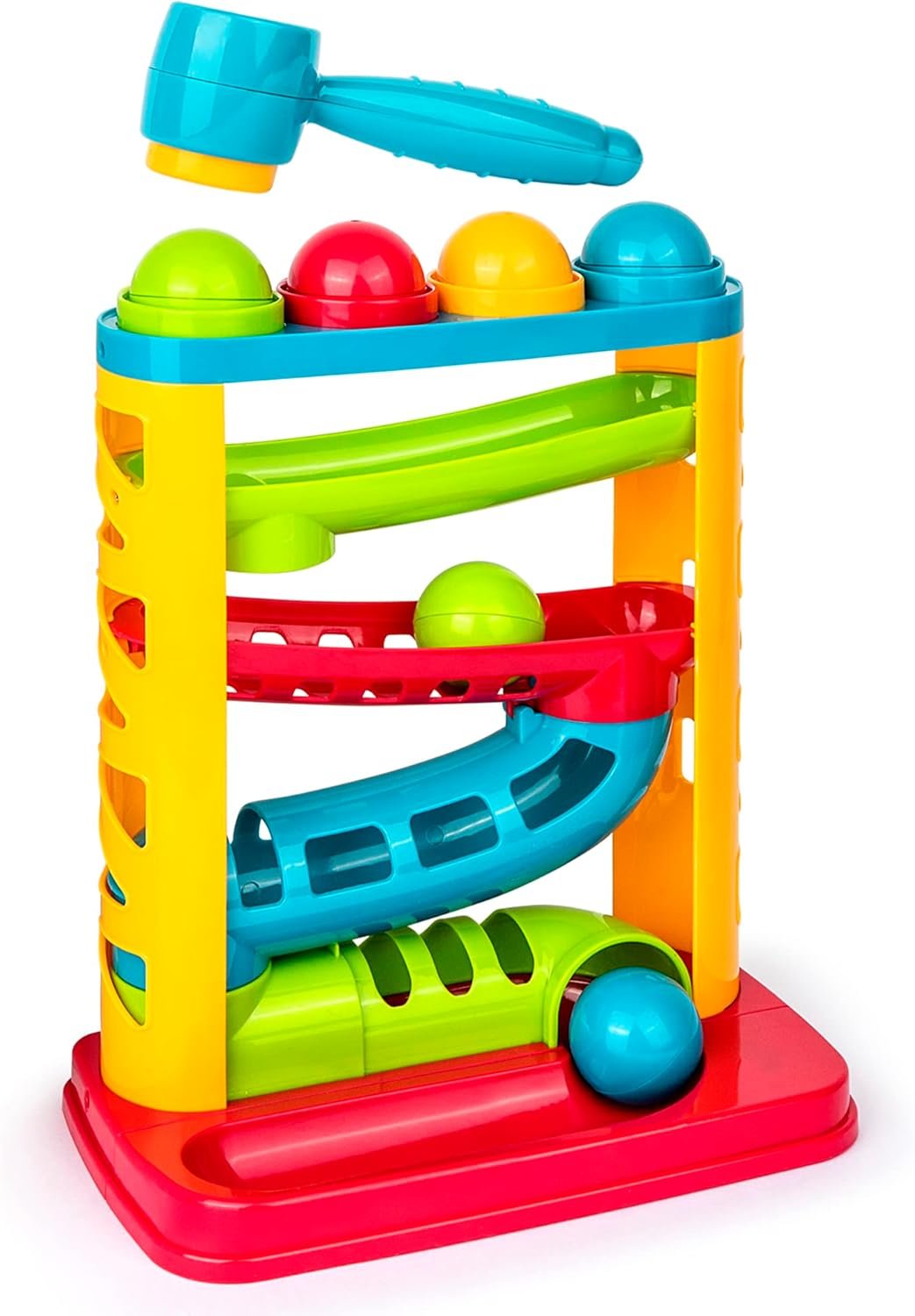
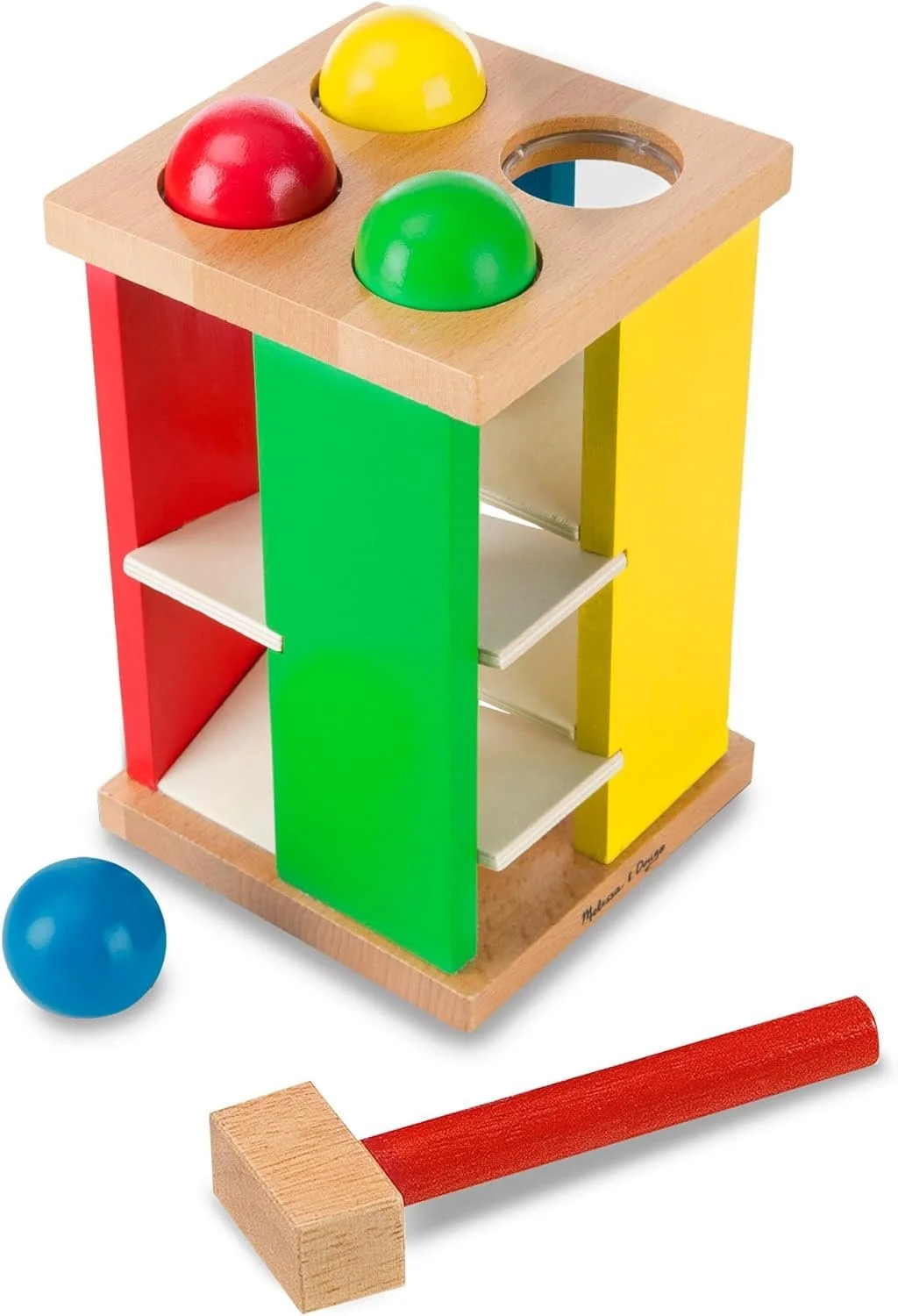
Ball & Hammer Toy:
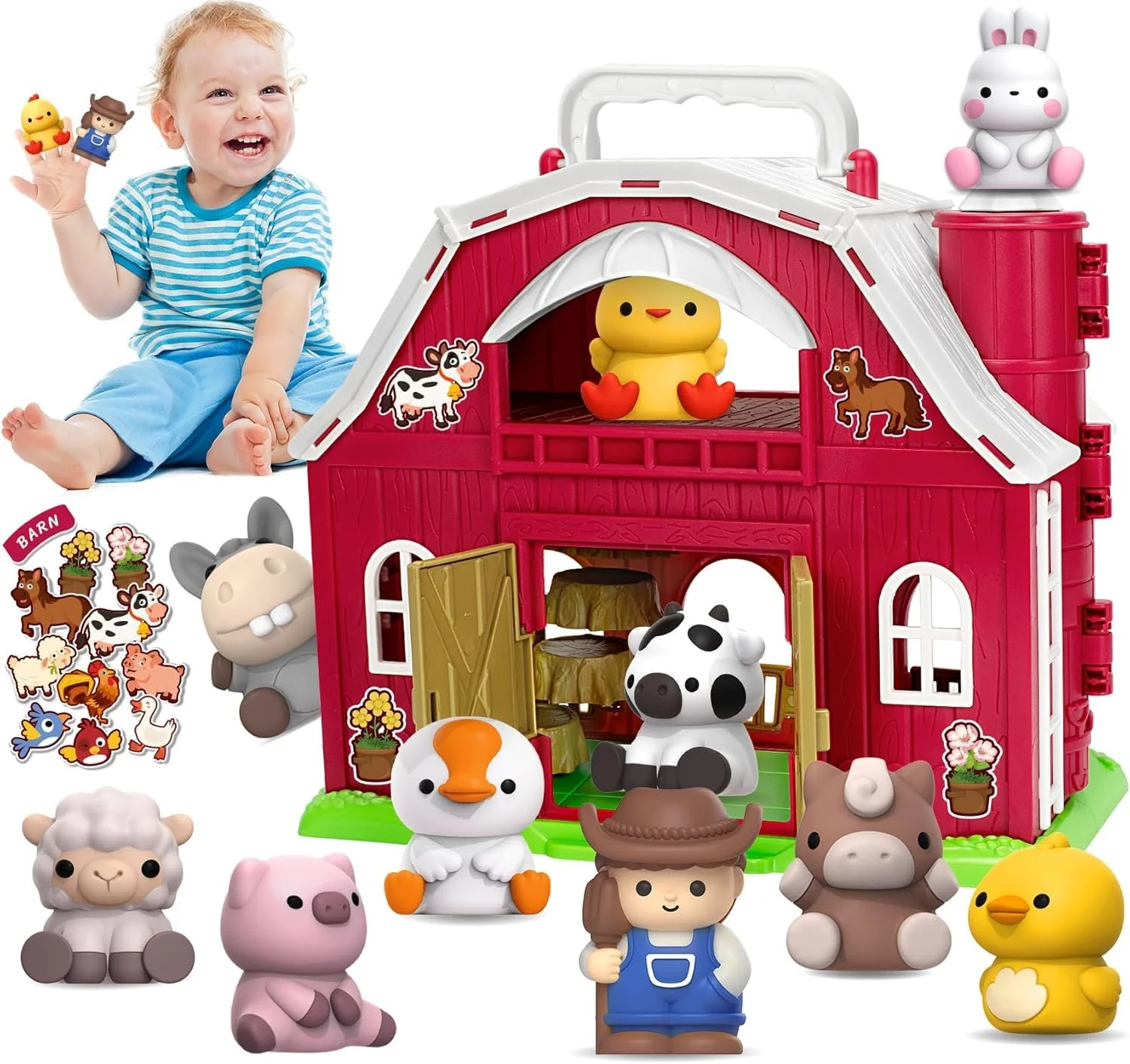
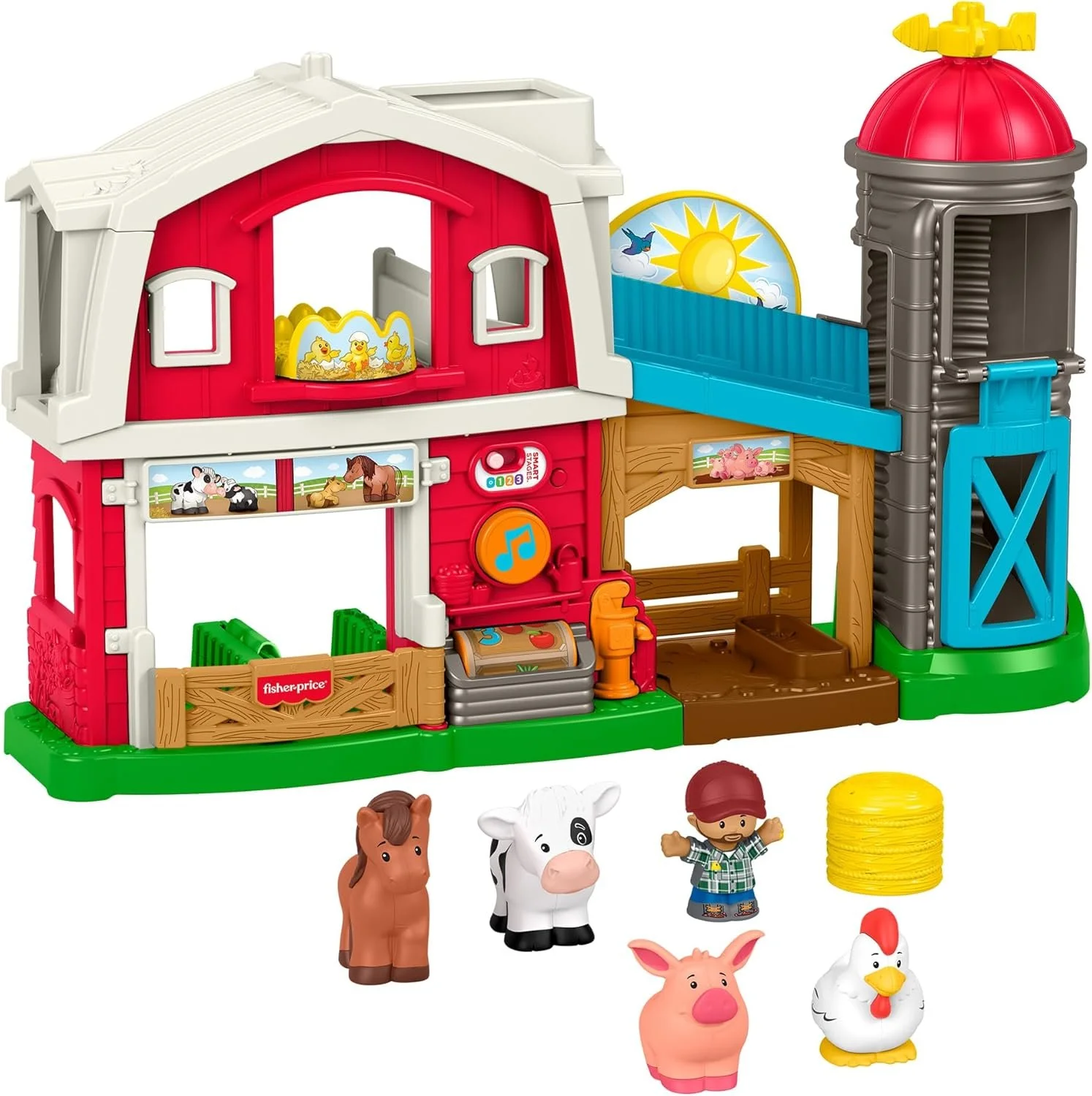
Barn Set With Animals:
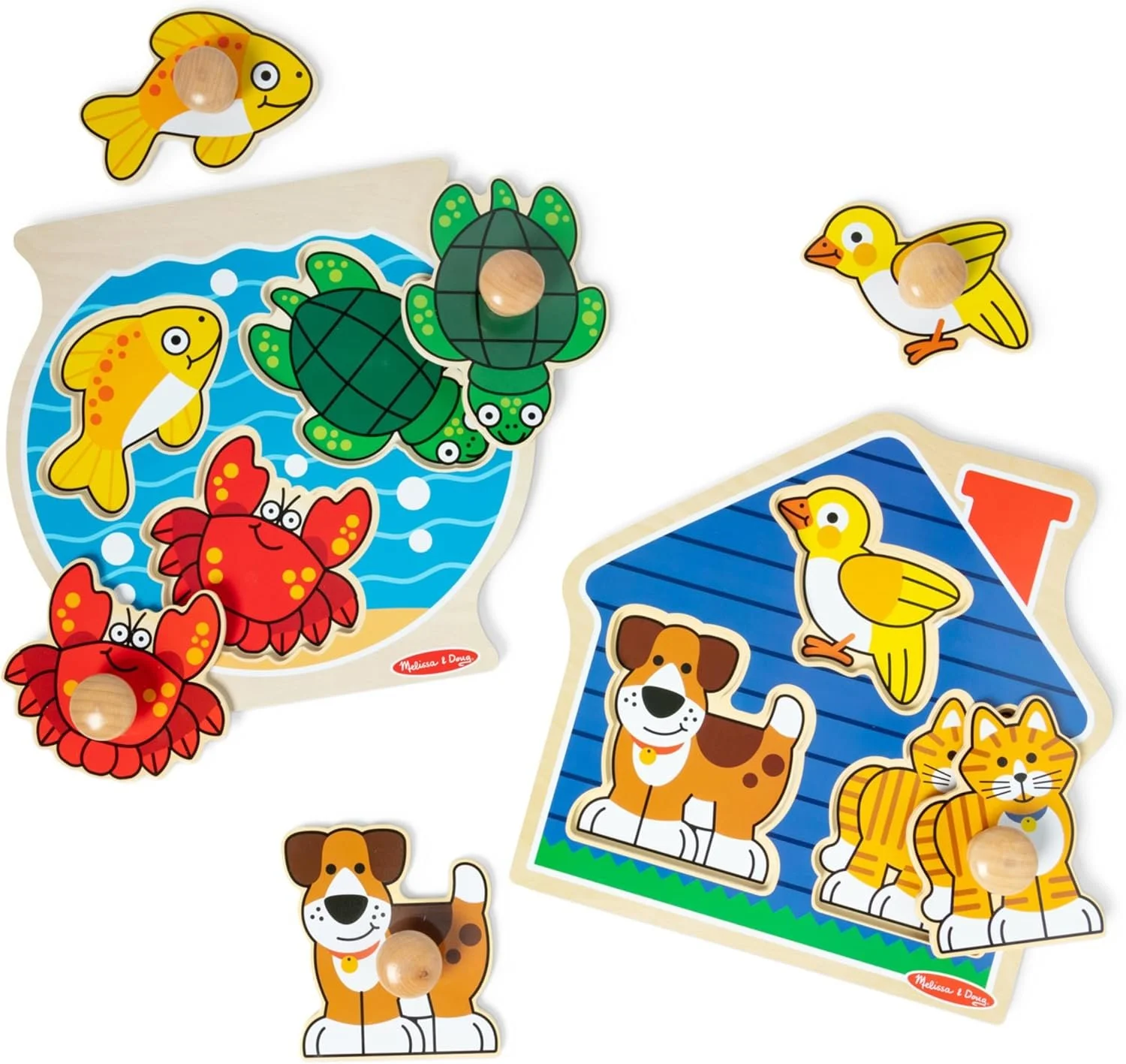
Puzzles:
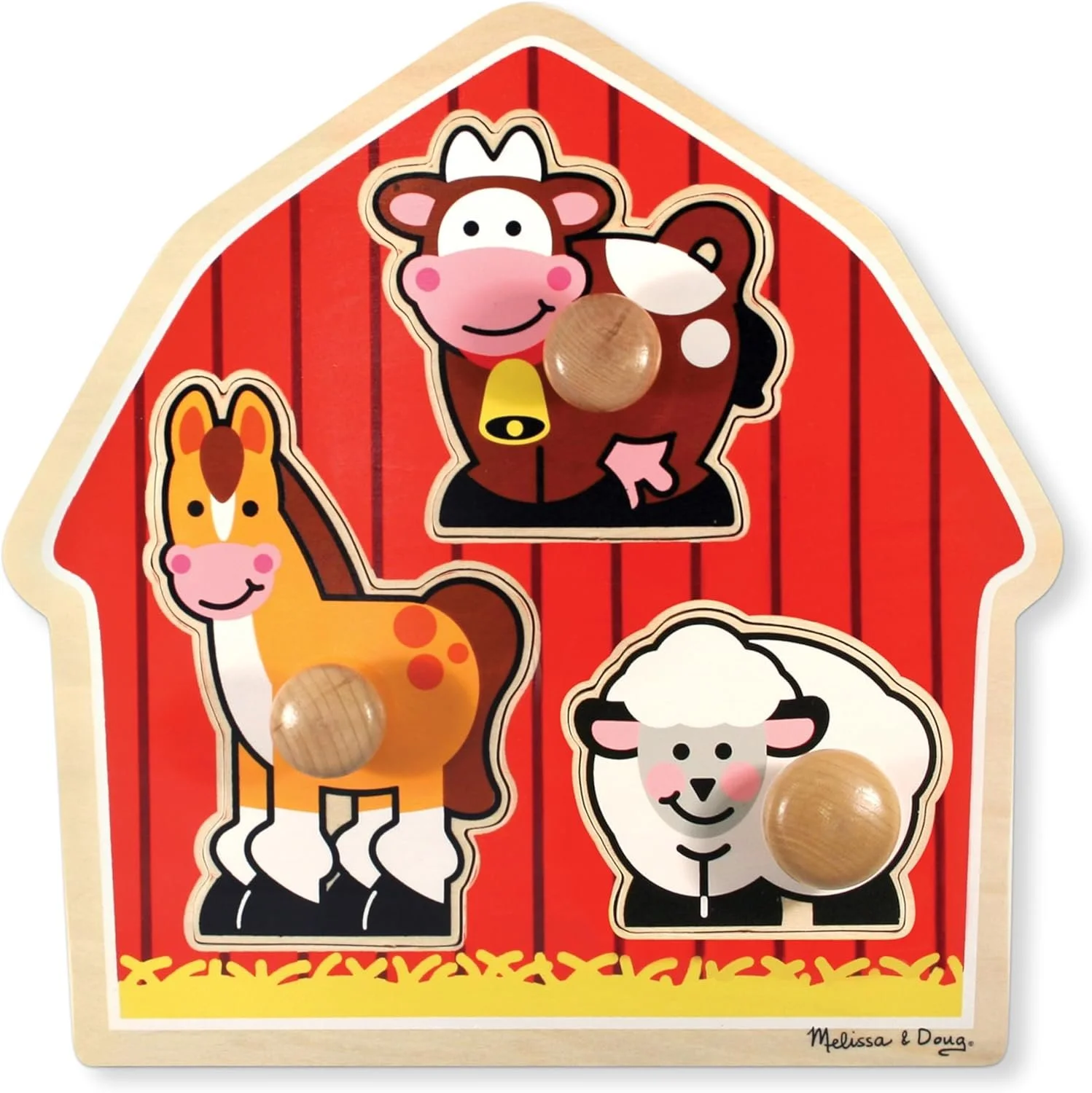
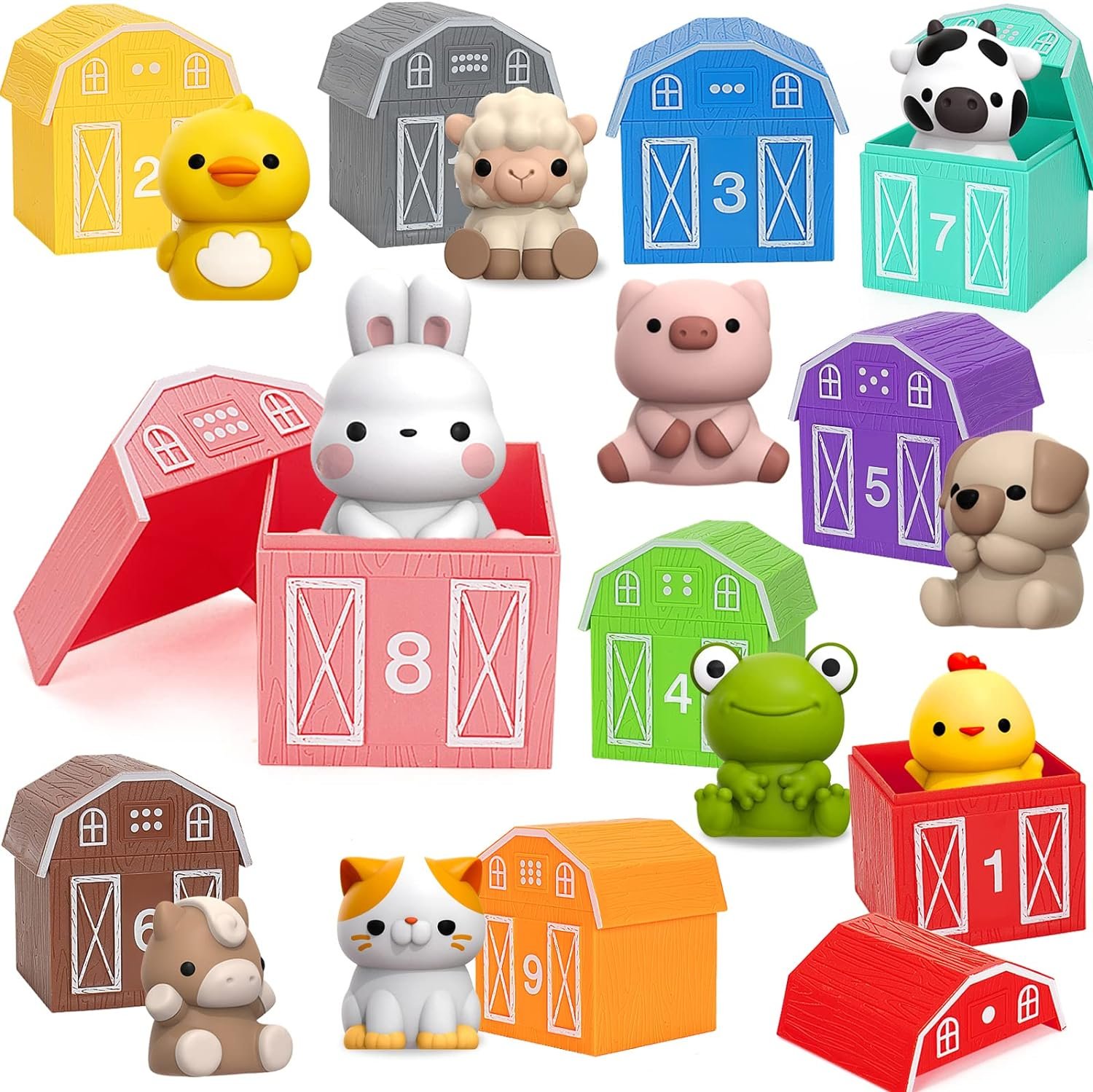
Animals In Stackable Barns:
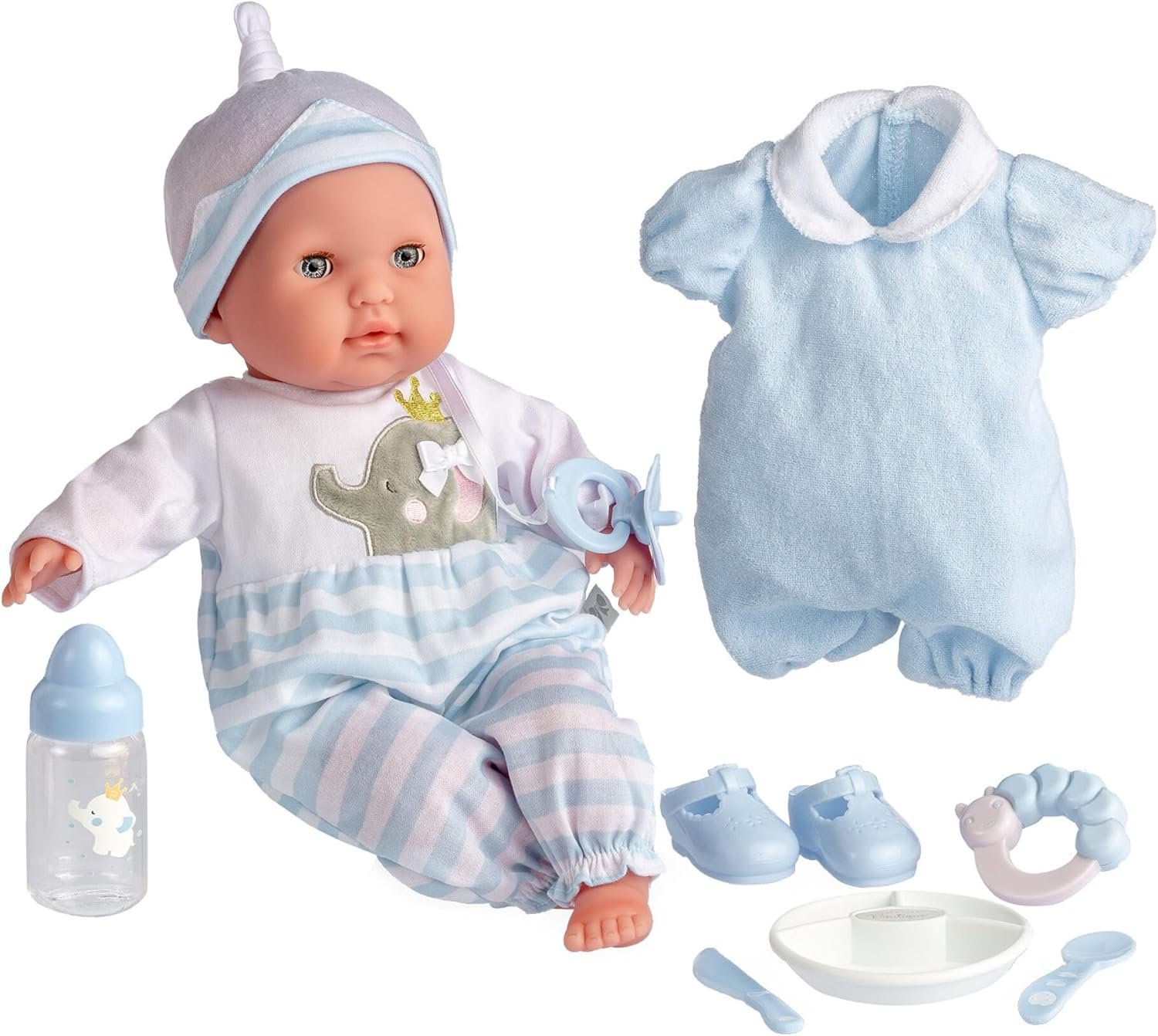
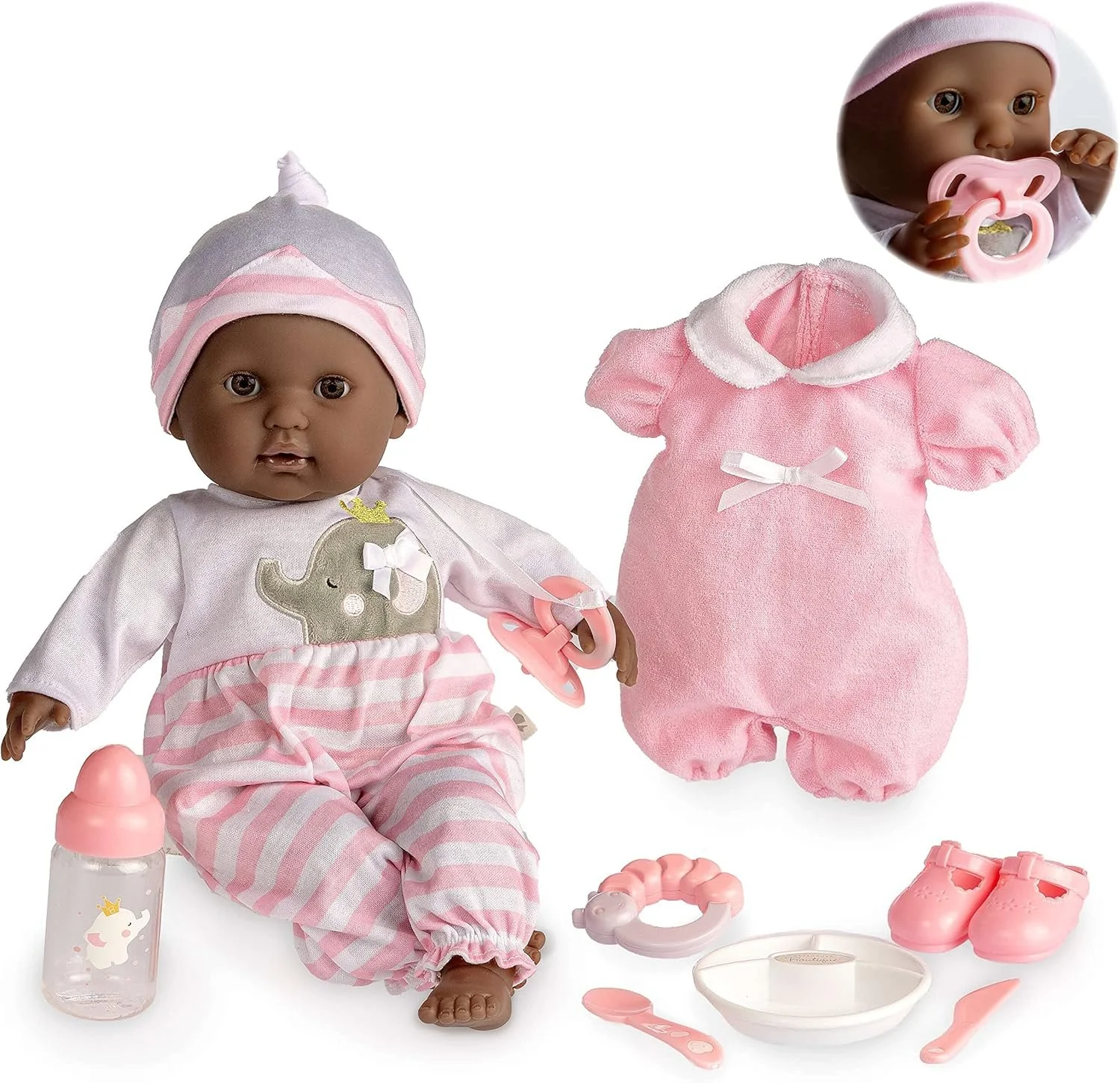
Baby Dolls (I know what you’re thinking and the answer is yes! It’s a toy for boys AND girls!)
Alright now let’s talk about the other half of the first year. What about months 18-24?
The 18-24 Month Period:
Between 18 and 24 months, your toddler enters a dynamic phase where they move beyond simple cause-and-effect and begin mastering Constructive Play. This involves using objects together to create a goal, such as stacking a tower of blocks or completing a multi-piece puzzle (Casby, 2003). Their receptive language, or simply, what they understand, becomes significantly more sophisticated during this window. Instead of just identifying objects, they can now follow "relational commands" that require them to understand how two things interact, such as "Put the cow in the barn to " (Paul & Norbury, 2012).
One of the most critical cognitive leaps in this stage is the shift from functional play to pretend play. This is when a child begins to use one object to represent another based on familiar daily routines (Westby, 1980). You might see your toddler pick up a wooden block and "talk" into it like a phone, or use a drumstick as a spoon to "feed" a favorite doll. Pretend play is a major milestone because it demonstrates the brain's ability to handle mental representations, which are the same cognitive skill required to understand that a spoken word stands for a real-world object (Basso et al., 2021).
Because many toddlers experience a "language explosion" during these months, it is a vital time to expand their input beyond simple labels. Research indicates that children who hear a diverse range of words, which includes verbs (action words), prepositions (location words), and pronouns. This all helps them develop more complex sentence structures earlier (Hadley et al., 2016). Sinceimitation remains their primary learning tool, narrating your actions and emphasizing these "Power Words" helps the child bridge the gap from understanding a concept to expressive language (Tamis-LeMonda et al., 2001).
All of that being said, here are some more of my favorite toys for this age:
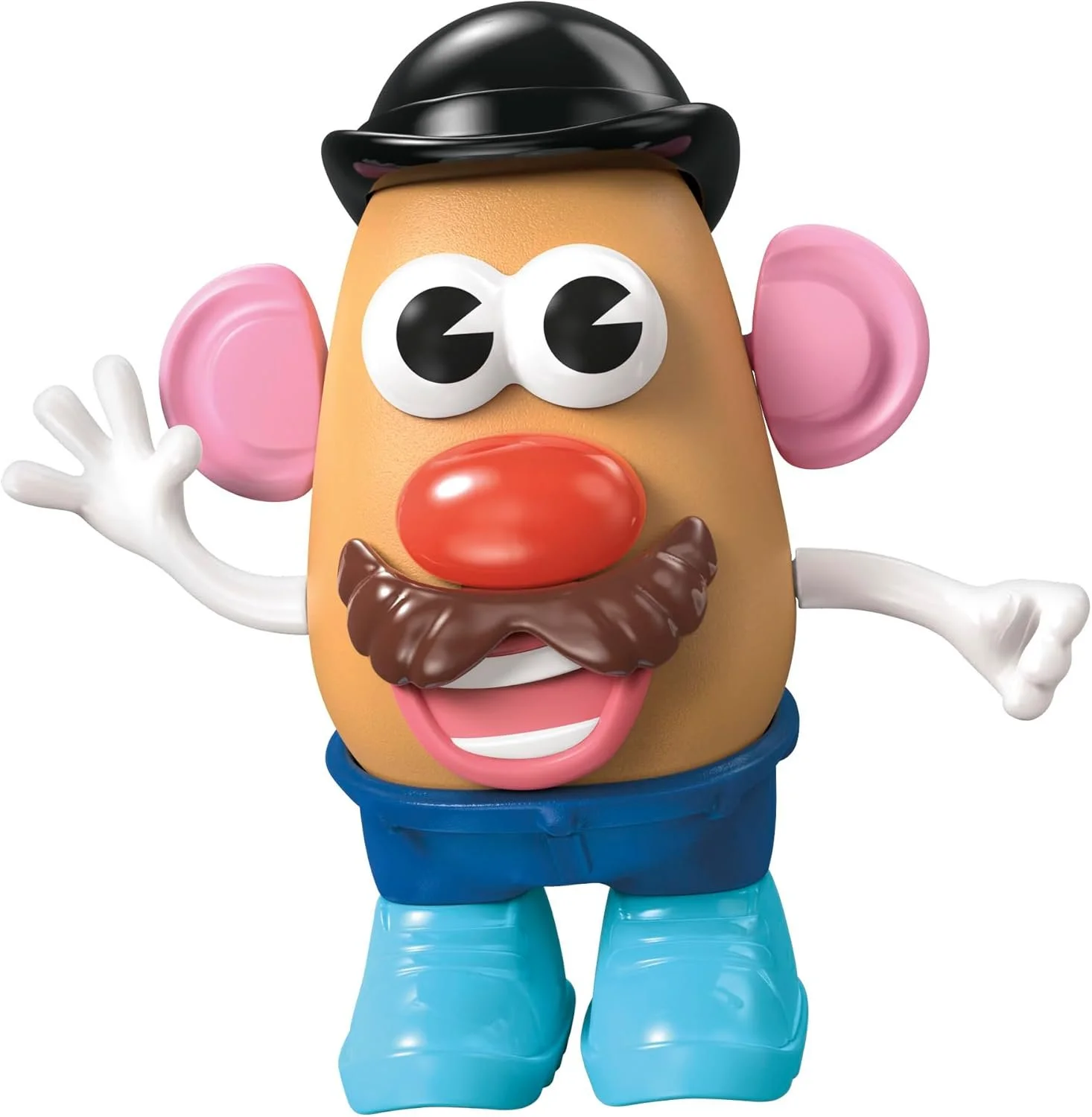
A Classic - Mr. Potato Head:
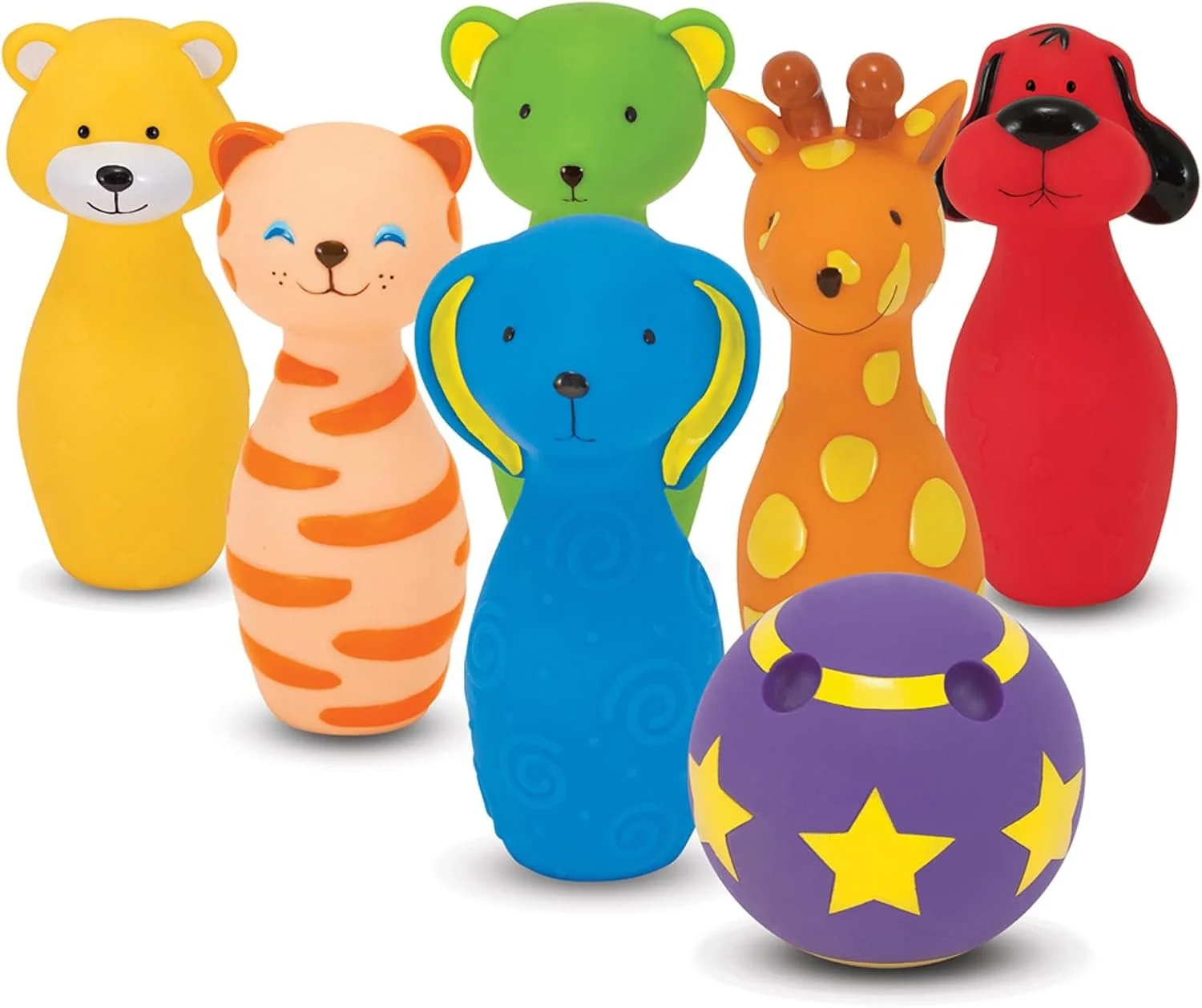
Bowling Pin Set:
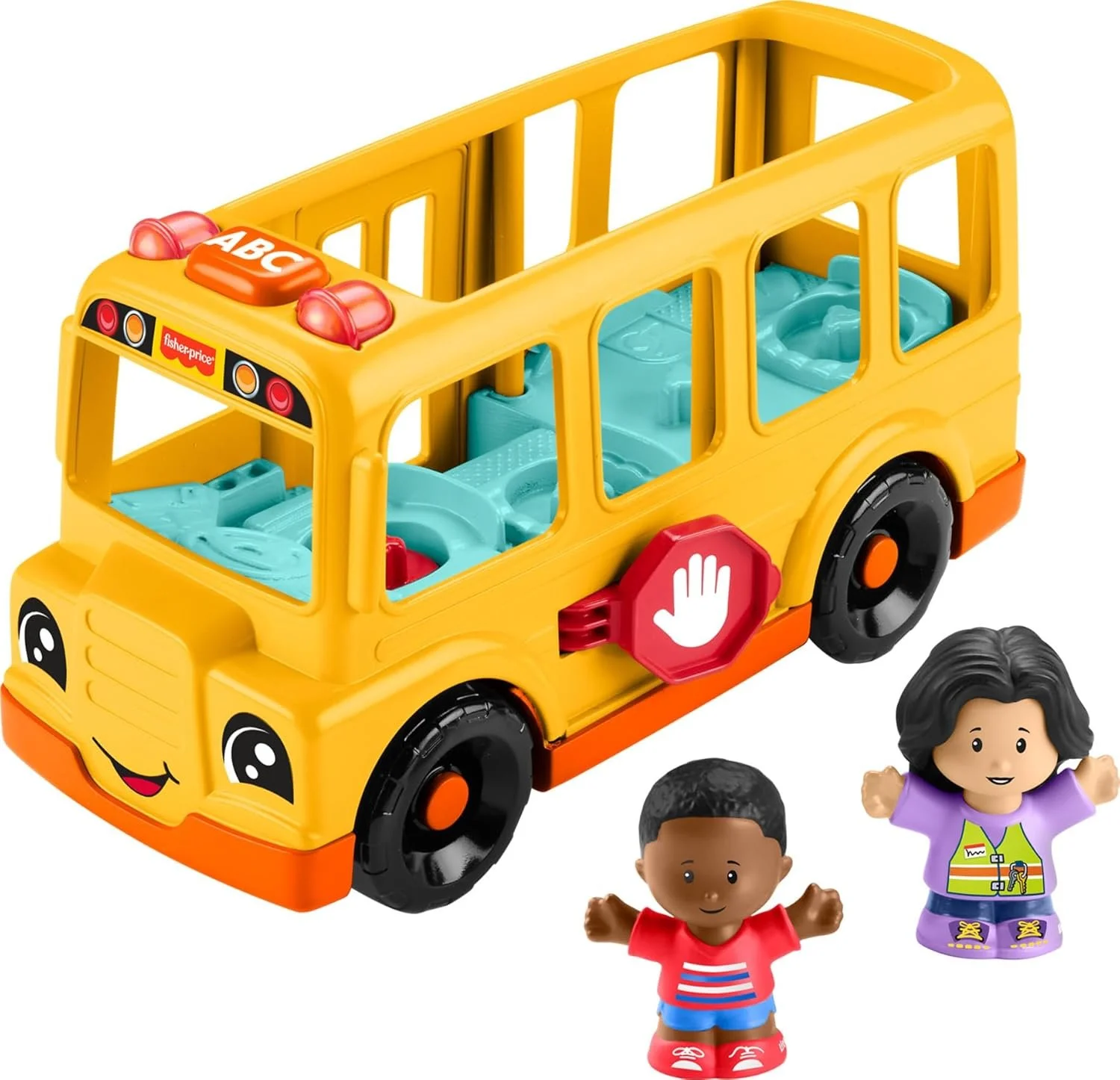
School Bus:
It is also important to remember that despite of all these toy recommendations, your toddler’s favorite "toy" might not be a toy at all! In my clinical experience, younger toddlers are often happiest exploring everyday household items, and all the items you probably don’t want them touching. I’m talking about pots and pans, serving utensils, cardboard boxes, a brochure or essentially anything they see an older sibling or adult using (Tamis-LeMonda et al., 2001). This natural curiosity for "real-world" objects continues as they get older, as children are biologically driven to imitate the functional actions they observe in their environment (Westby, 1980).
These are just some of my favorite toy suggestions, but it does not mean your child must engage with these specific items to thrive. Every toddler has unique interests and sensory preferences. The most important factor isn't the specific brand or price tag of the toy; it is that their play is evolving in complexity.
If you’re unsure about your child’s play skills or want to learn more about how to support their communication milestones, Small Talk Speech Therapy in San Antonio is here to help. We specialize in promoting language through play-based, evidence-based techniques that meet your child exactly where they are.
We know that every child’s developmental journey is unique, which is why we provide personalized, mobile therapy directly to families and daycare centers in North Central San Antonio. Our goal is to turn your everyday playtime into a powerful building block for your child's future.
References:
Basso, A. M., Iverson, J. M., & Libertus, K. (2021). The role of functional play in language acquisition. Journal of Early Childhood Research, 19(2), 154–168.
Casby, M. W. (2003). Developmental assessment of play: A model for early intervention. Communication Disorders Quarterly, 24(4), 175–183.
Hadley, P. A., Rispoli, M., & Holt, J. K. (2016). The building blocks of early verbs. Journal of Speech, Language, and Hearing Research, 59(5), 1124–1136.
Paul, R., & Norbury, C. (2012). Language disorders from infancy through adolescence: Listening, speaking, reading, writing, and communicating (4th ed.). Elsevier.
Tamis-LeMonda, C. S., Bornstein, M. H., & Baumwell, L. (2001). Maternal responsiveness and children's achievement of language milestones. Child Development, 72(3), 748–767.
Westby, C. E. (1980). Assessment of cognitive and language abilities through play. Language, Speech, and Hearing Services in Schools, 11(3), 154–168.
This post contains affiliate links. If you purchase something using my links, I may earn a small commission at no cost to you.
