Choosing the Best Books for Your Toddler: A Guide from a San Antonio Speech Therapist
As a pediatric speech therapist, one question I’m frequently asked is: “What books do you recommend for a one-year-old or a two-year-old?”
While there is no right answer, I do have a few favorites! It is important to note that I often don't read all the words on the page; my interaction with a book depends entirely on the child’s engagement and language goals. Books are a powerful tool, and evidence suggests that literacy promotion should begin as early as birth to support optimal brain development (High et al., 2014). While the books listed below aren't the "end-all-be-all," they are some of my favorite tools for sparking early communication!
When looking for books for your little one, here are a few things I would keep an eye out for:
Books that encourage early imitation & "sound play"
When looking for books for your little one, here are a few things I would keep an eye out for: simple sounds and exclamations! You might notice that your toddler mimics a "Moo," "Vroom," or "Uh-oh!" before they start saying longer words. There is a great reason for this: research shows that these fun, expressive sounds are easier for tiny ears to catch and much simpler for little mouths to try out (Motamedi et al., 2020).
My favorites for "Sound Play":
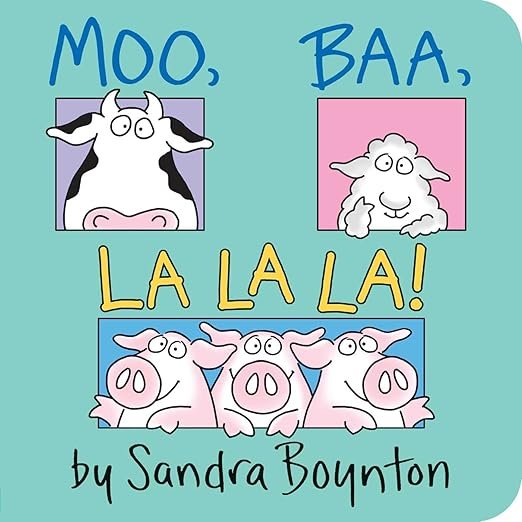
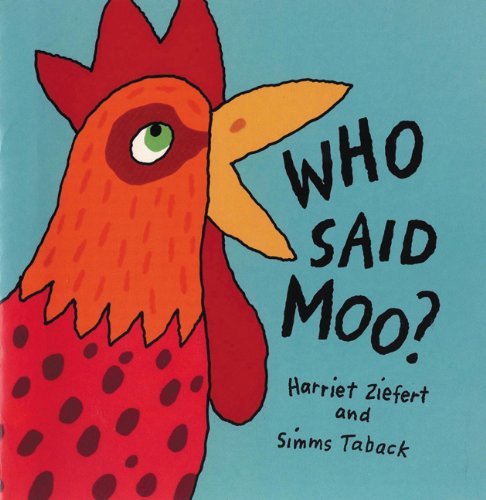
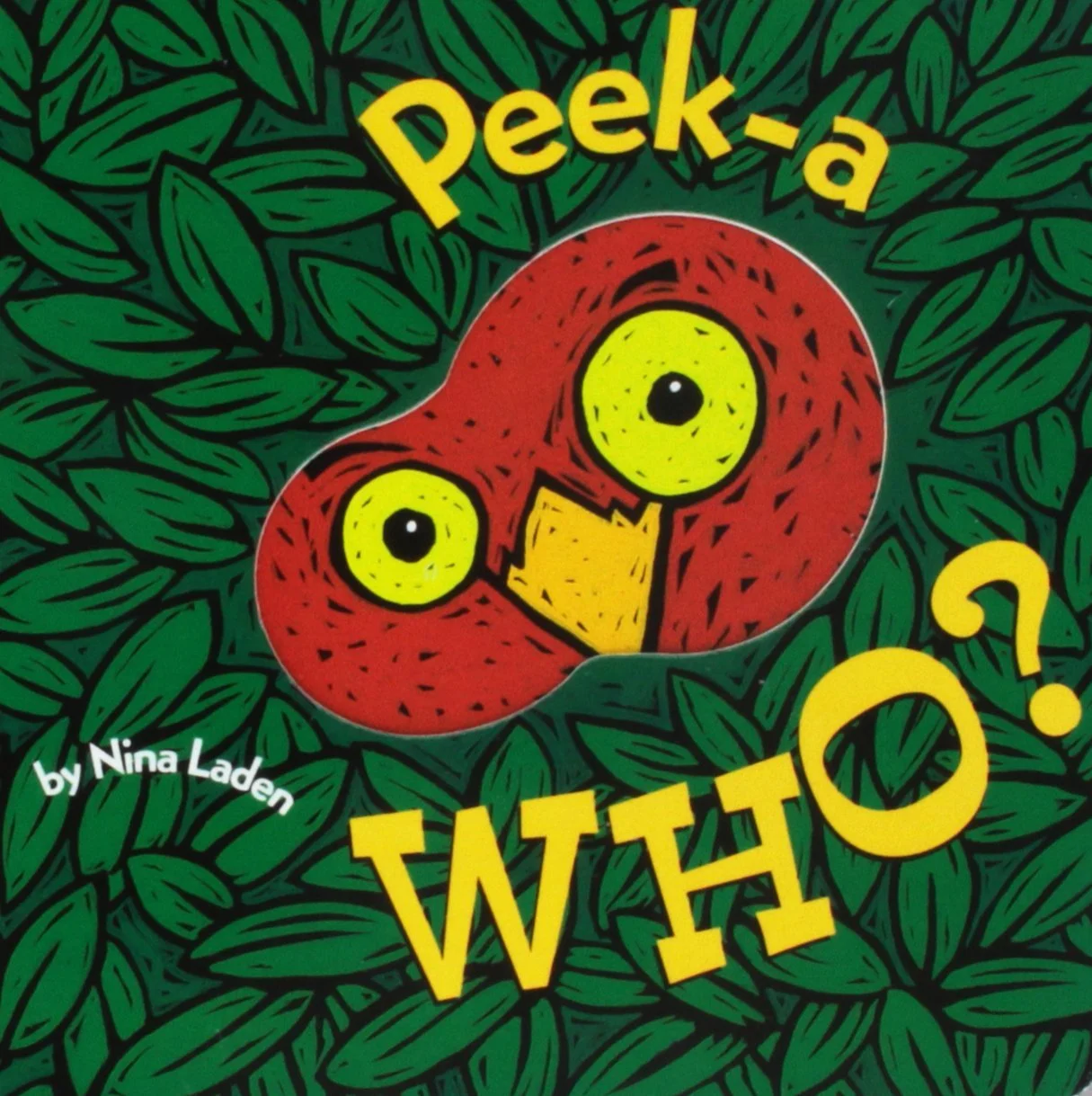
Predictable books & "fill-in-the-blank" fun
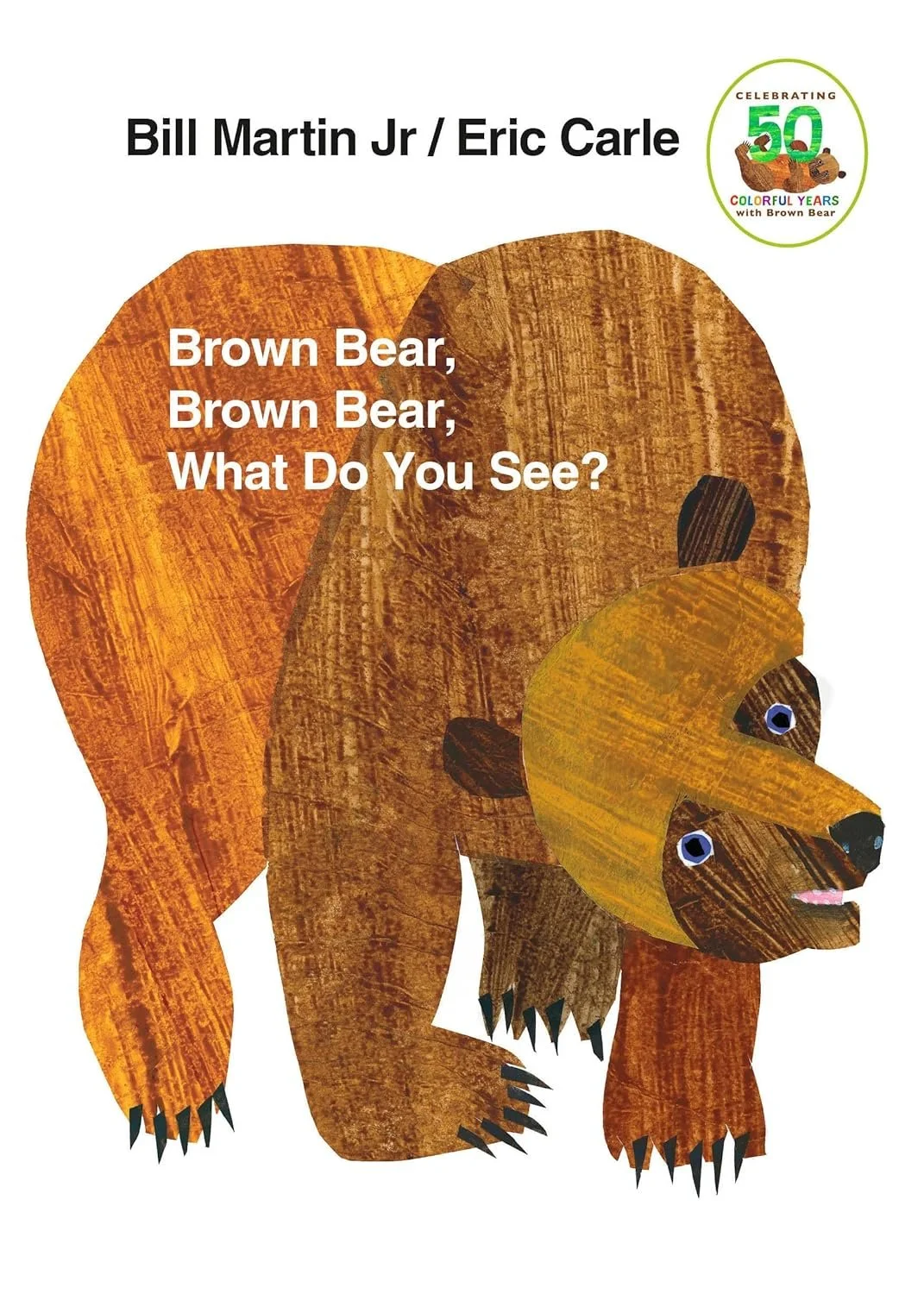
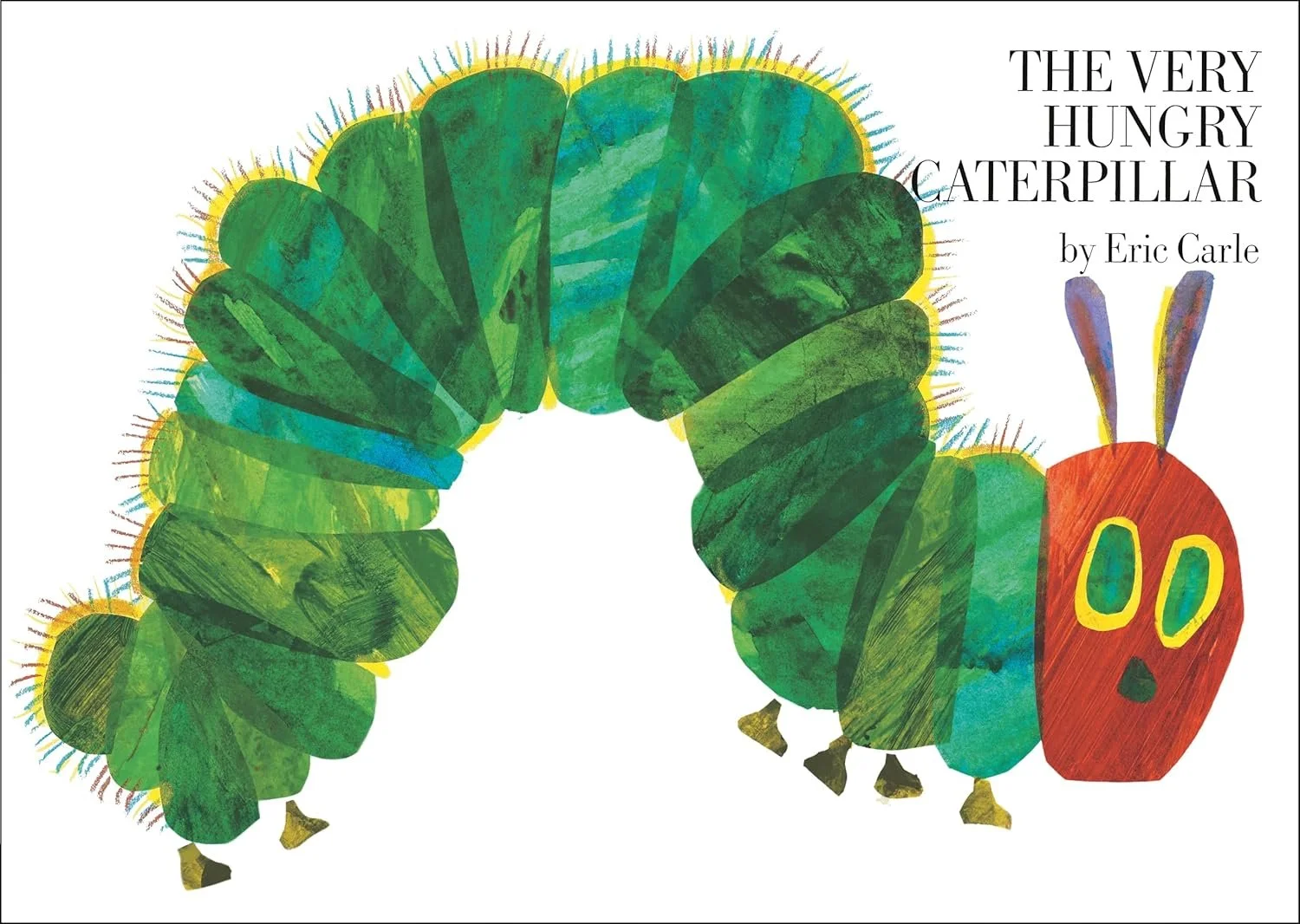
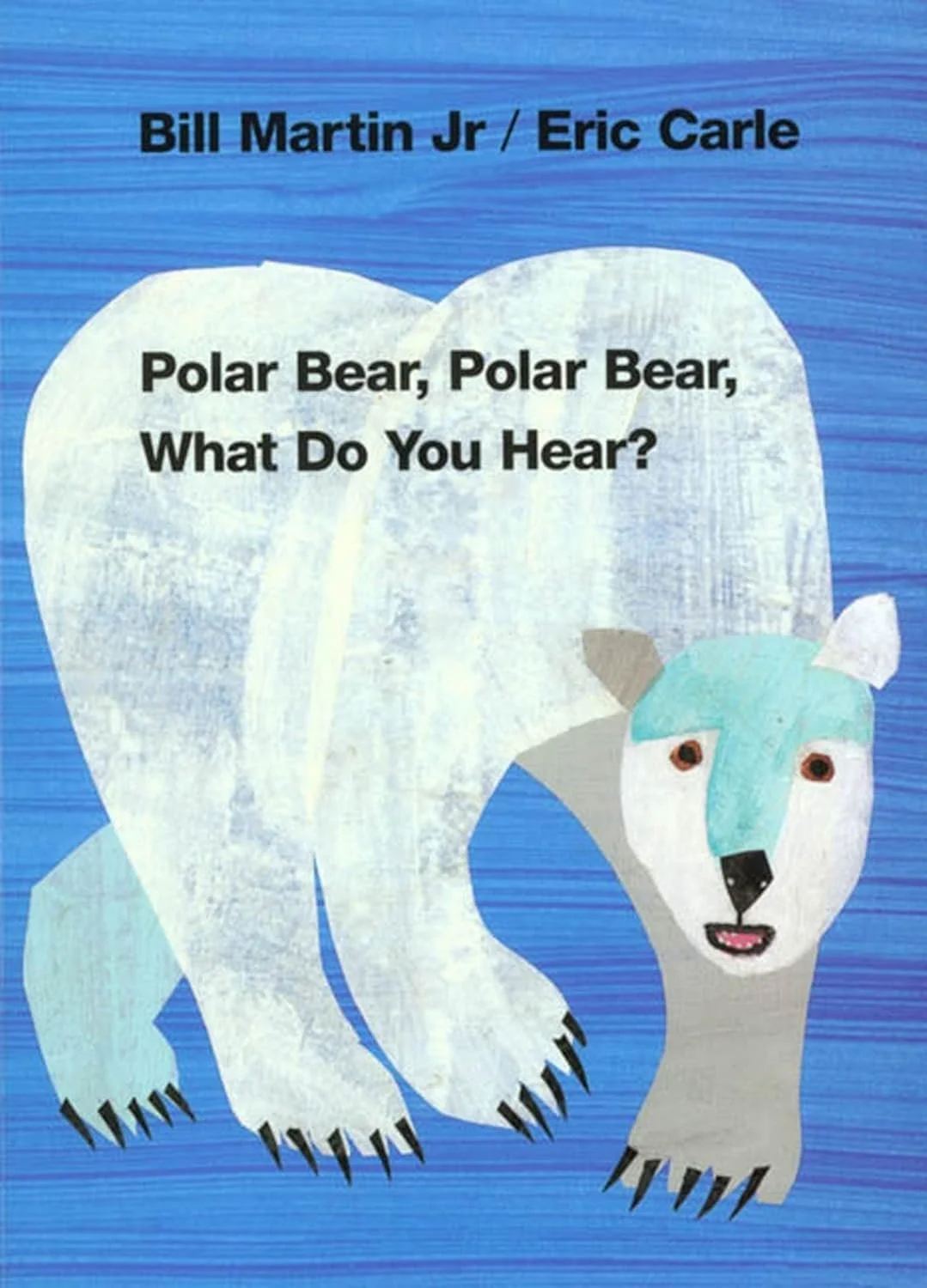
Another thing I look for is repetition! You might find yourself getting tired of reading the same lines over and over, but your child actually thrives on it. Research shows that repetitive stories make it easier for children to predict what’s coming next, which lowers the "brain power" needed to follow along (Noble et al., 2020). This creates the perfect opportunity for a "fill-in-the-blank" game! Try pausing at the end of a familiar sentence and wait for your little one to chime in with the missing word.
My favorites for "Predictable" stories:
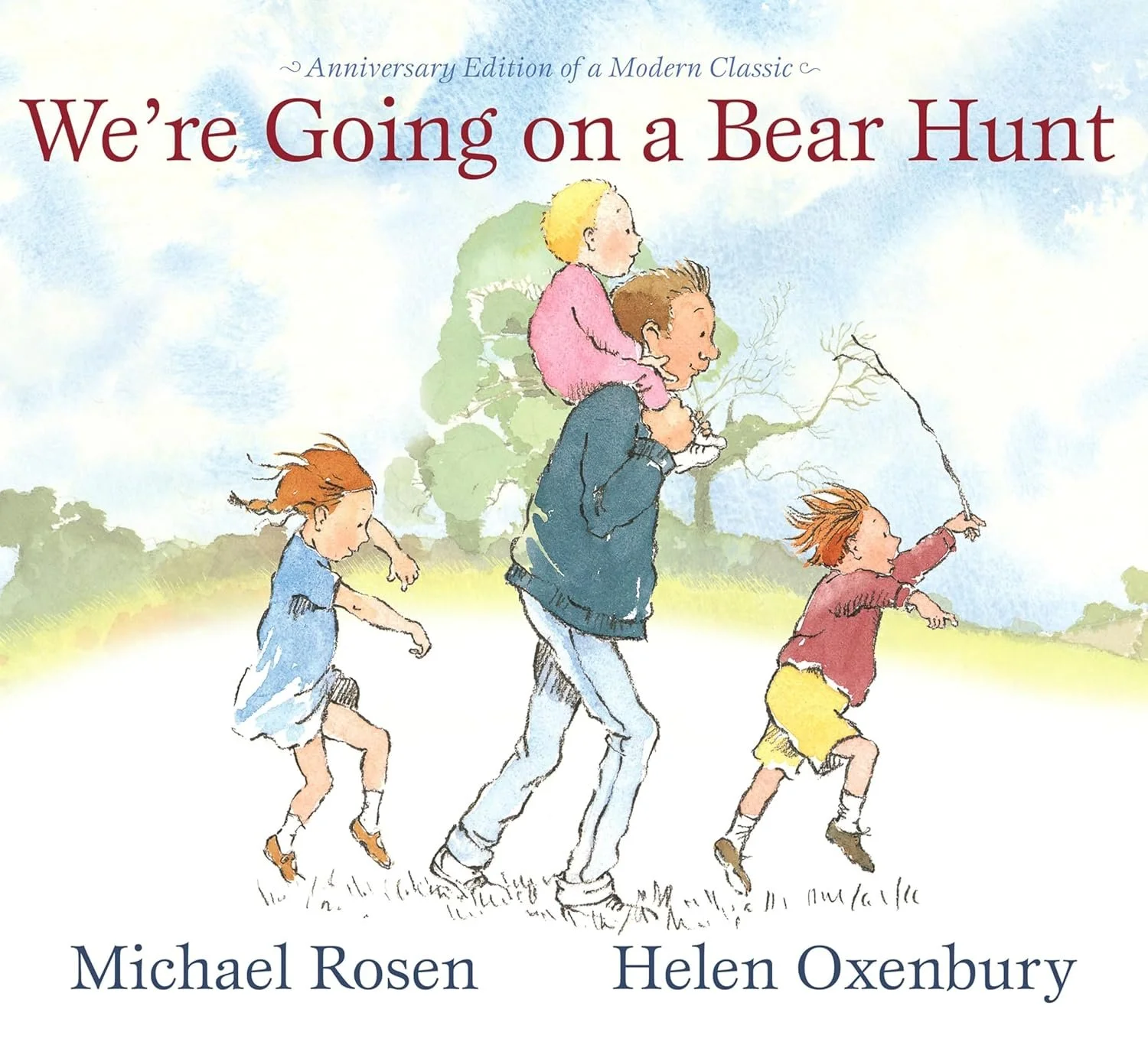
Books with interactive features for engagement
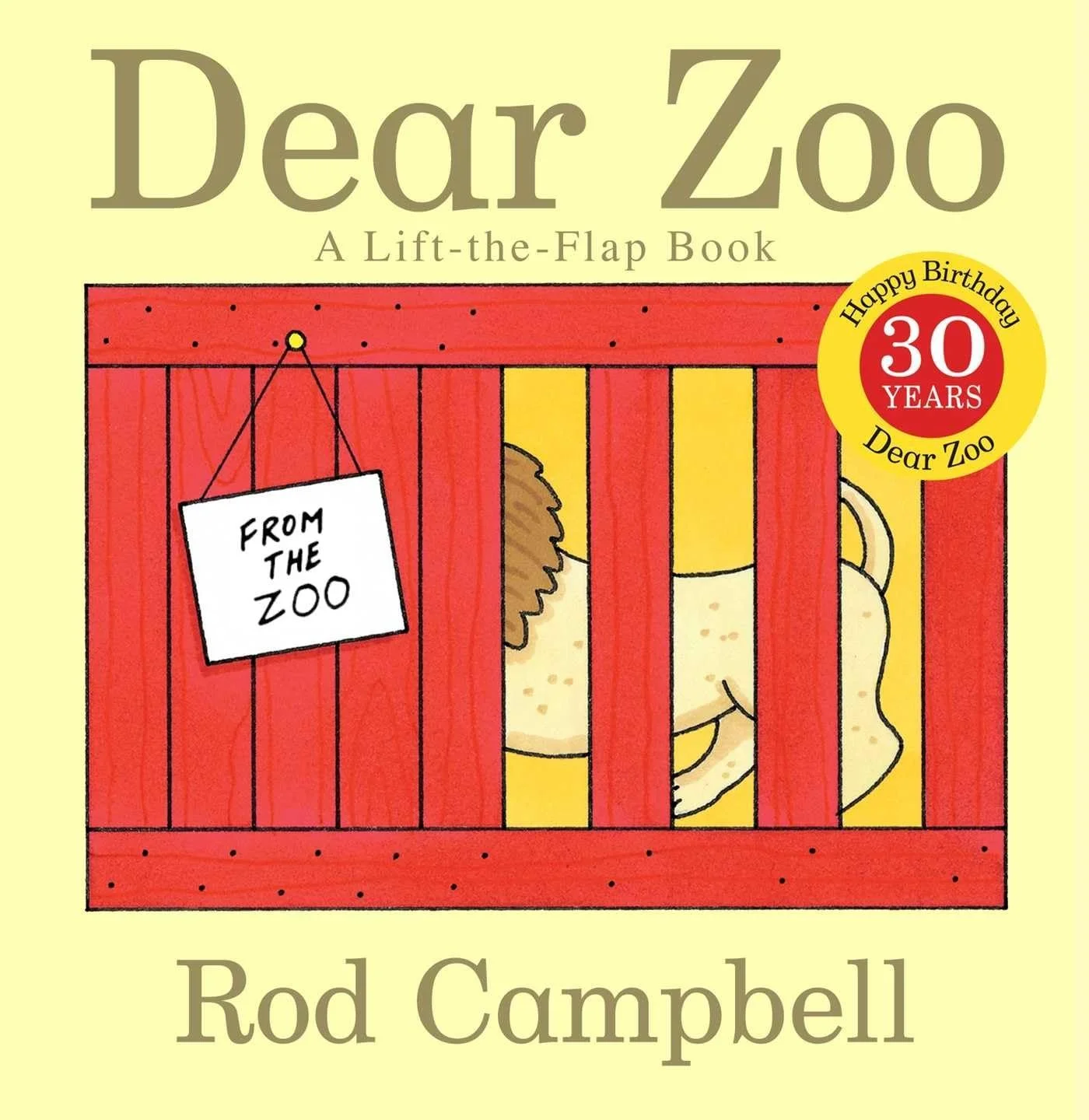
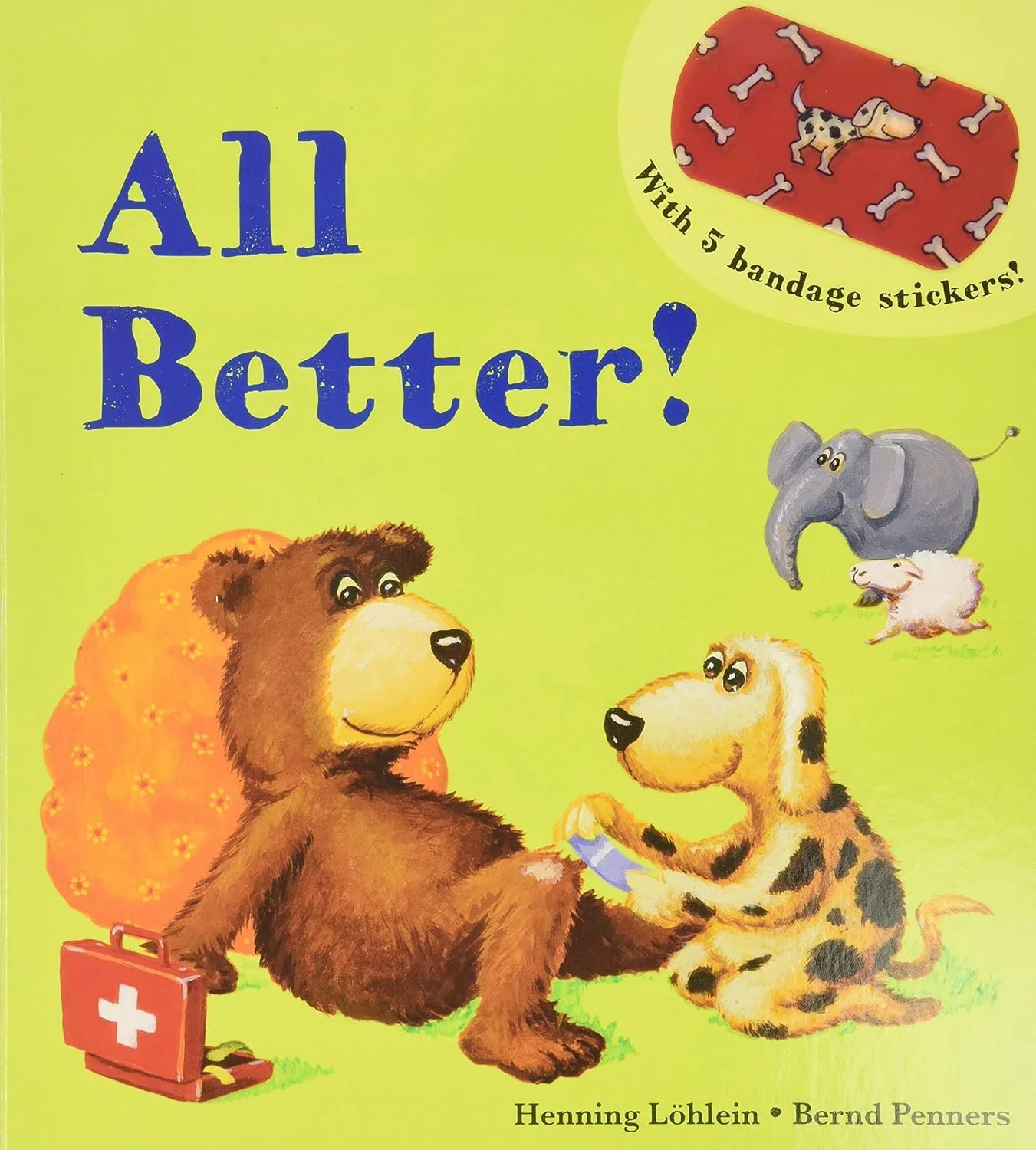
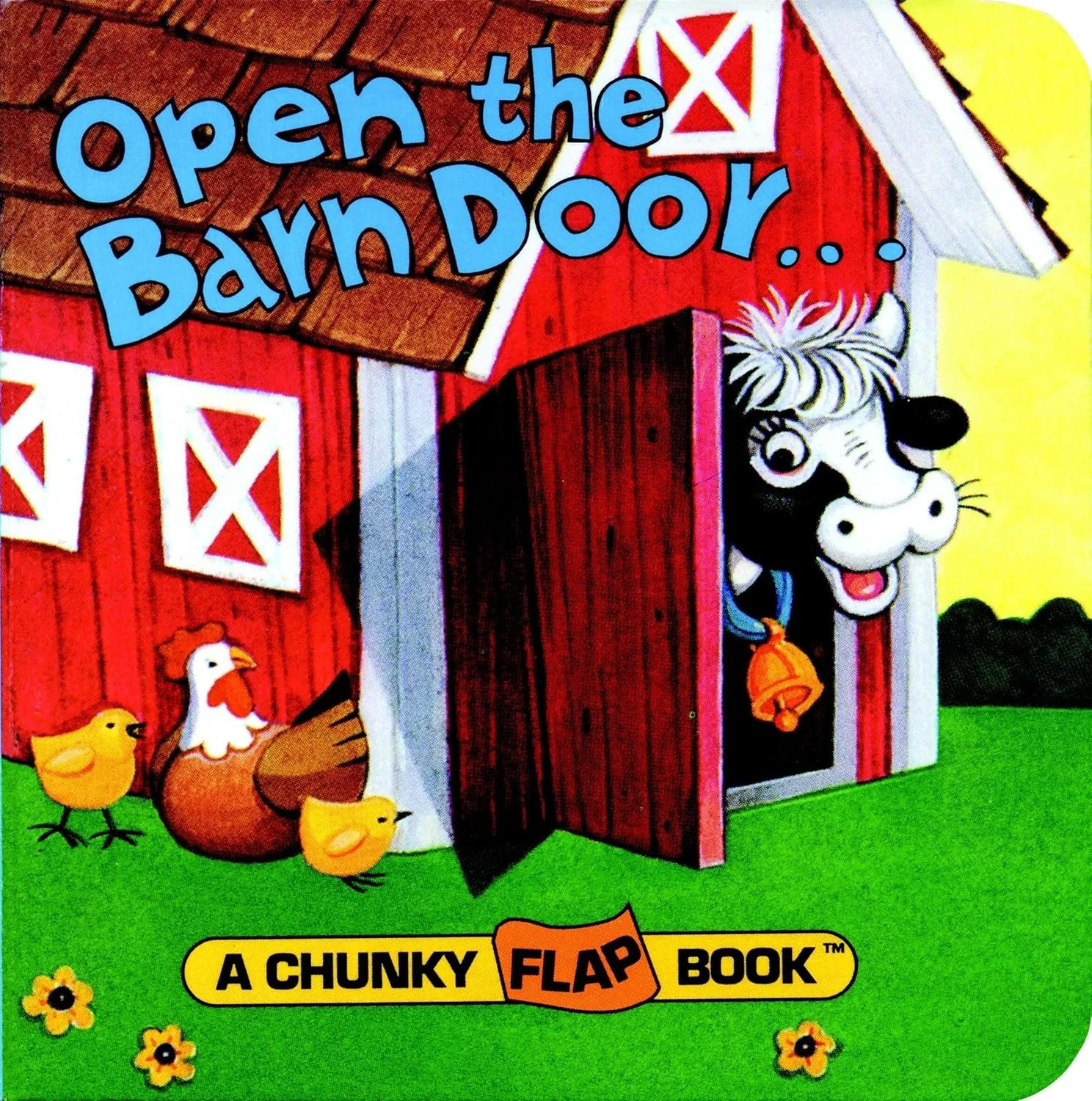
When looking for books for your little one, don’t be afraid to look for interactive features! You might wonder if the flaps or textures are just "toys" that distract from the story, but they actually serve a huge purpose. Shared focus is one of the strongest predictors of how well a child will communicate and read later on! As researchers have noted, books with these fun features are perfect for settings "where interaction is the focus as opposed to word/concept learning" (Strouse & Ganea, 2021). So, if your goal is simply to bond, play, and get your child excited about books, these are the perfect choice!
My favorites for "Interactive" play:
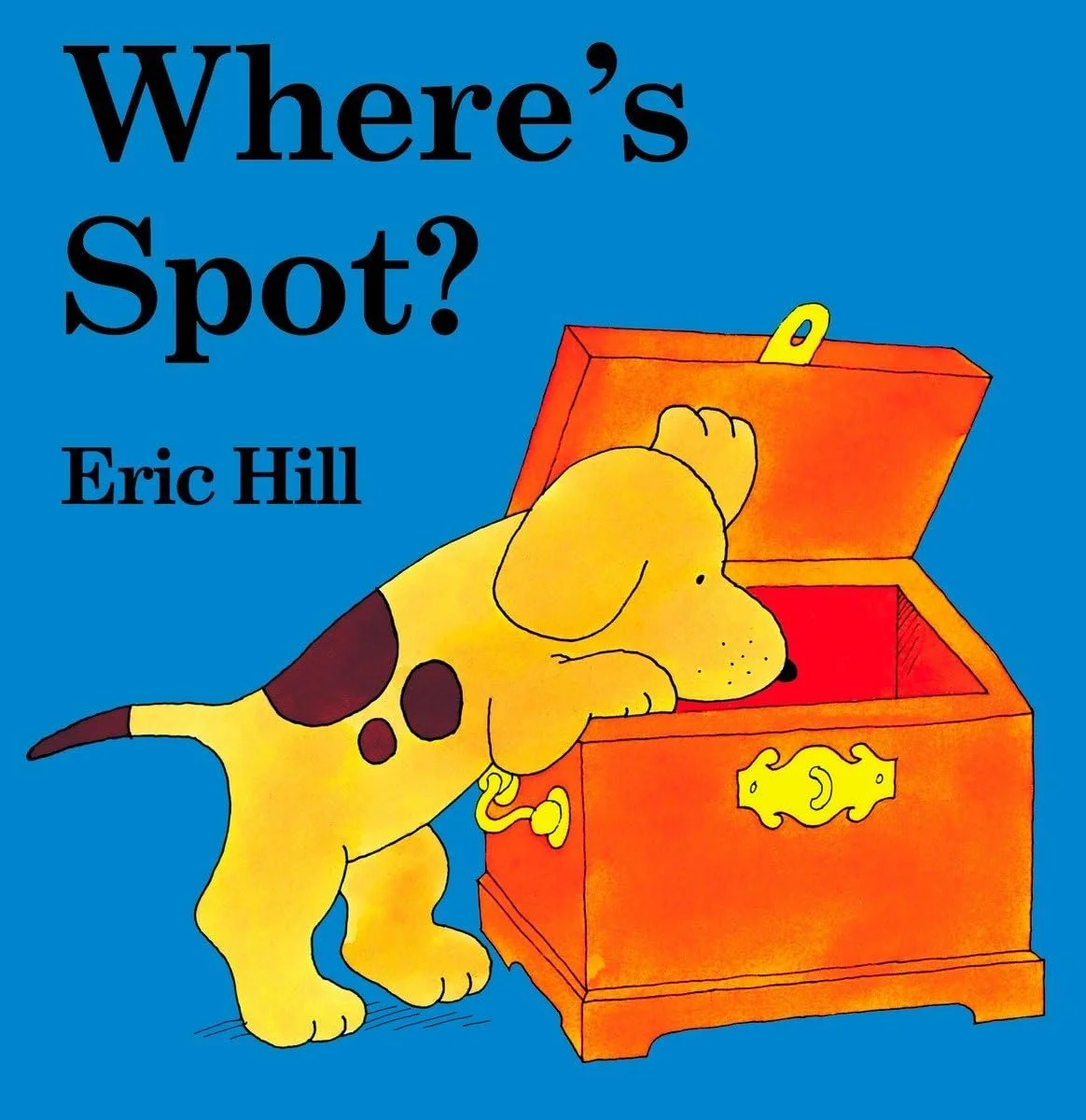
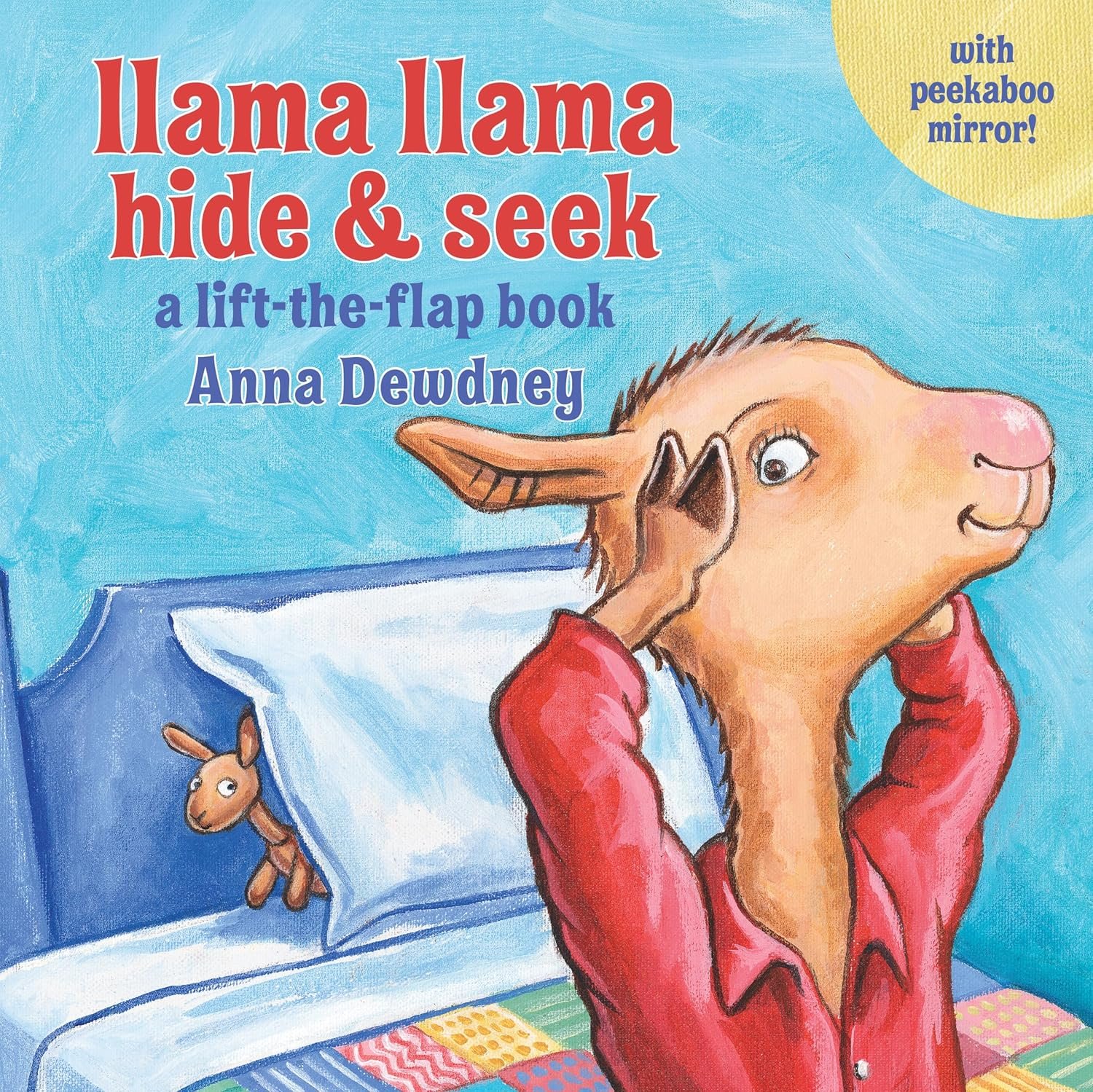
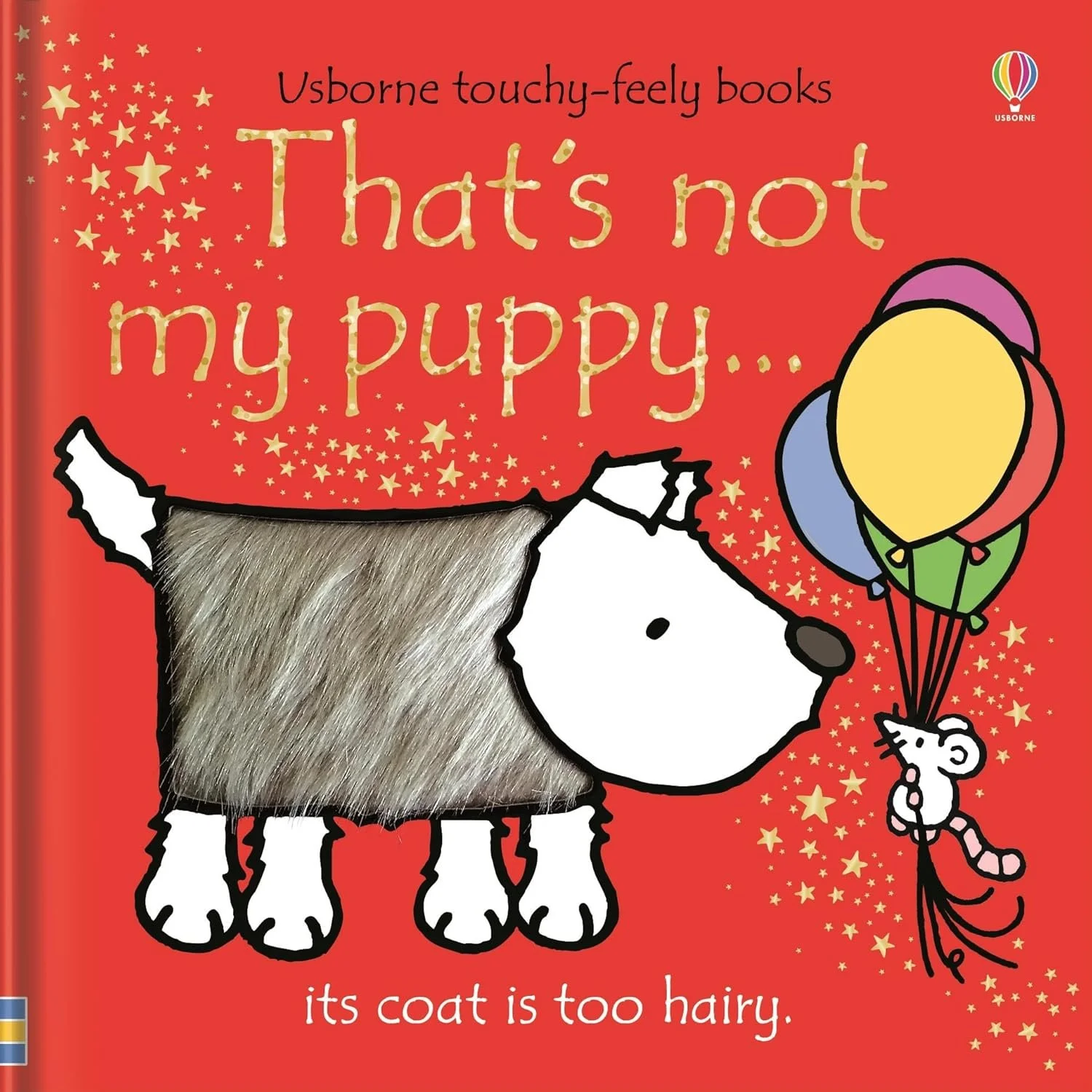
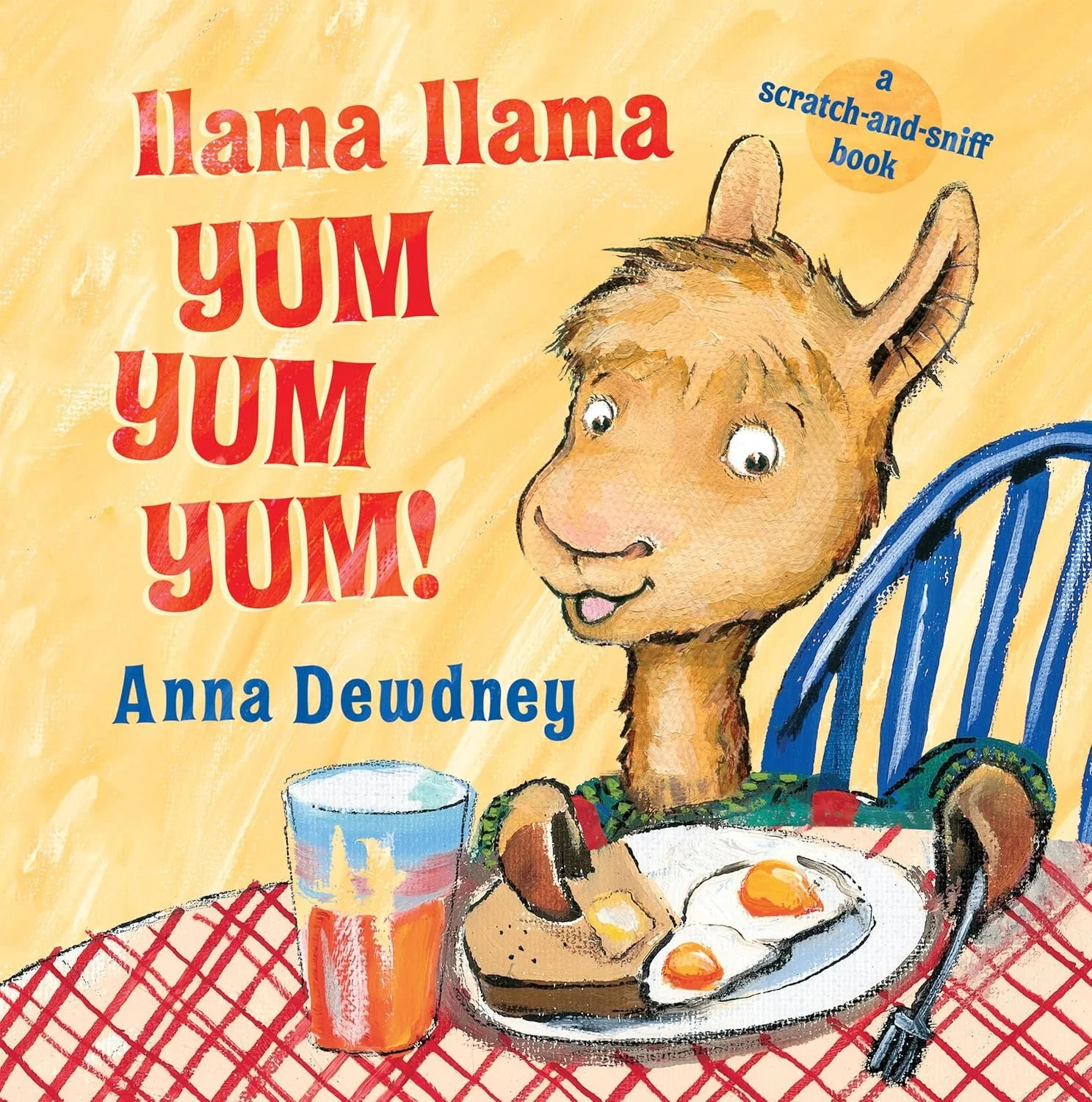
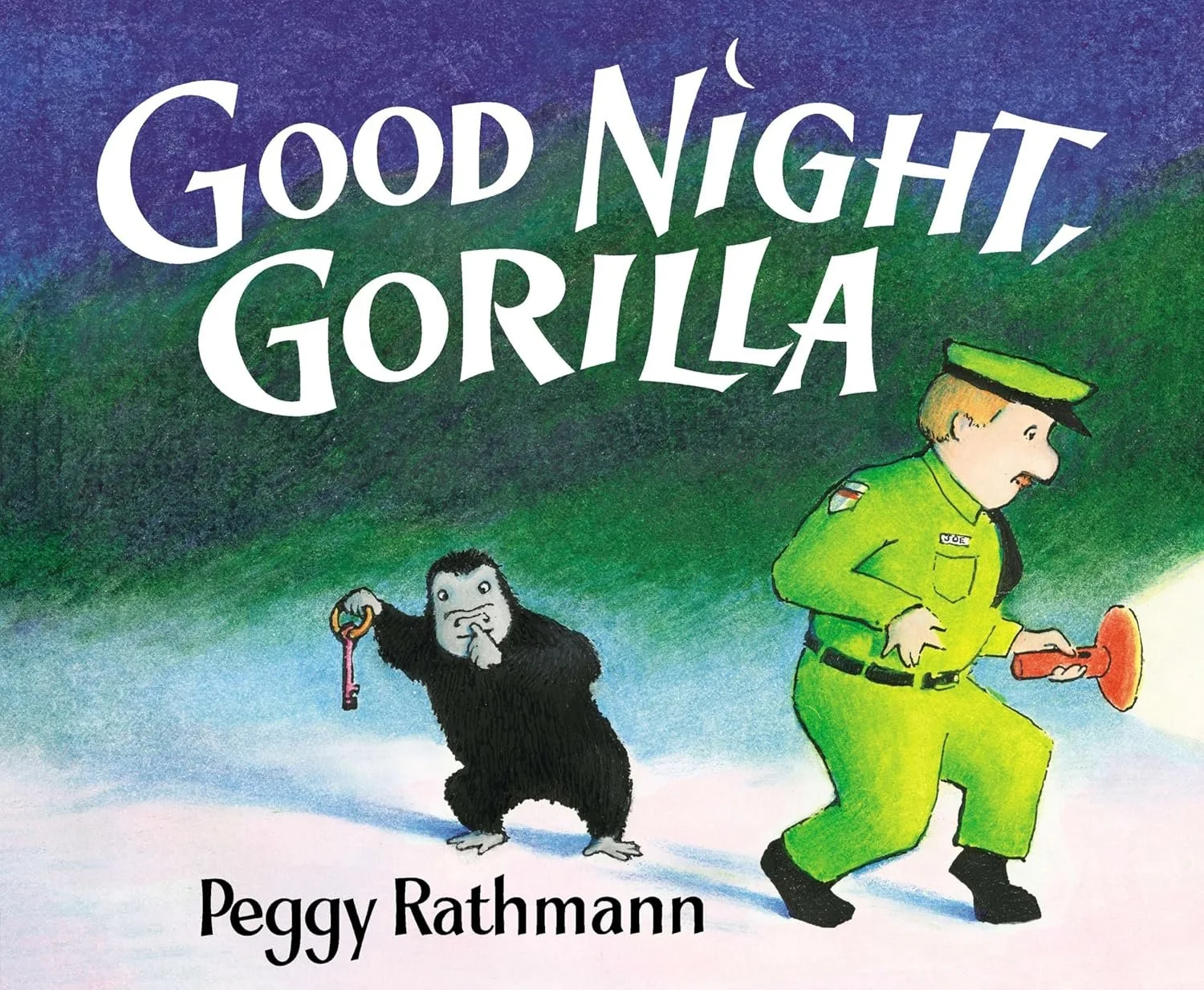
Wordless books & "storytelling together"
Finally, don’t be afraid to pick up a book with no words at all! It might feel a little intimidating to open a book and see only pictures, but wordless picture books are a goldmine for language. Research shows that when there is no text to follow, parents often use even more descriptive and "decontextualized" language. This all just means that you end up talking about what the characters are doing, feeling, and thinking (Goriot et al., 2024). Think about it, no script means more creative freedom for you! This helps your child learn how to tell their own stories and is a huge boost for their future narrative skills!
My favorite "Wordless" stories:
Books with core vocabulary & "power words"
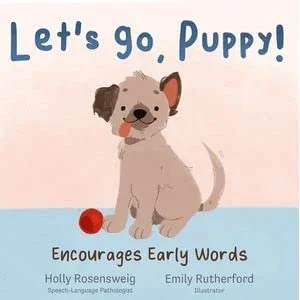
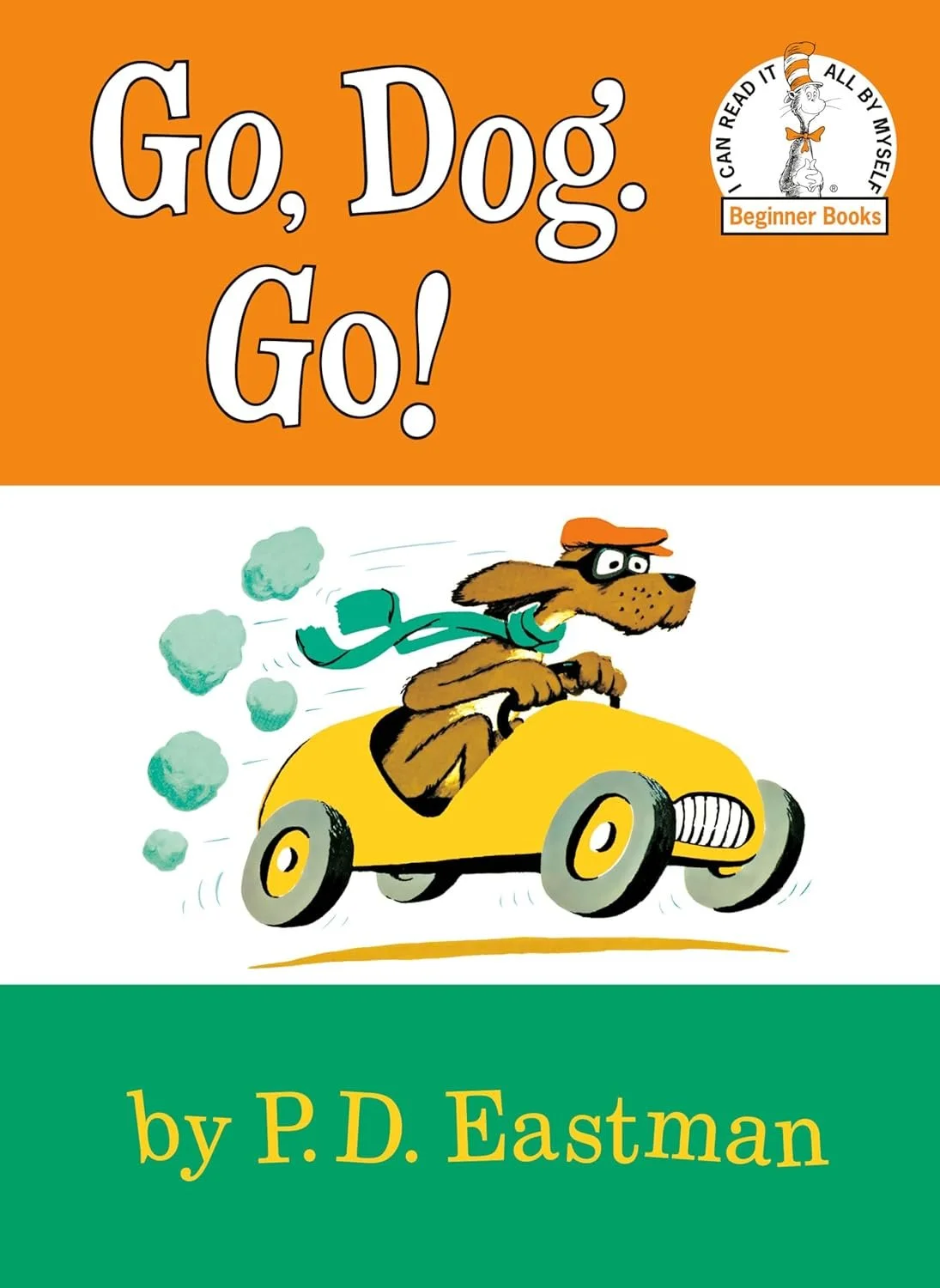
When looking for books for your little one, keep an eye out for "Power Words" (also known as Core Vocabulary)! While it’s great to name animals or colors, "power words" like go, stop, up, in, and open are the real secret to helping your child move from saying single words to using full phrases. Want to learn more about power words? Check out my blog about it here. Research confirms that focusing on these high-frequency verbs and prepositions provides the "linguistic engine" your child needs to start combining words and communicating their needs more clearly (Pillinger & Vardy, 2022).
My favorites for "Power Words":
References:
Daniels, D., Salley, B., Walker, C., & Bridges, M. (2021). Parent book choices: How do parents select books to share with infants and toddlers with language impairment? Journal of Early Childhood Literacy, 22(2), 279–307. https://doi.org/10.1177/1468798420985668
Goriot, C., Jongstra, W., & Mensink, L. (2024). A literature review on the benefits of wordless picture books for children's development. L1-Educational Studies in Language and Literature, 24(1), 1–26. https://doi.org/10.21248/l1esll.2024.24.1.712
High, P. C., Klass, P., Donoghue, E., Glassy, D., DelConte, B., Earls, M., Lieser, D., McFadden, T., Mendelsohn, A., Scholer, S., Schulte, E. E., Takagishi, J., Vanderbilt, D., & Williams, P. G. (2014). Literacy Promotion: An Essential Component of Primary Care Pediatric Practice. PEDIATRICS, 134(2), 404–409. https://doi.org/10.1542/peds.2014-1384
Motamedi, Y., Murgiano, M., Perniss, P., Wonnacott, E., Marshall, C., Goldin‐Meadow, S., & Vigliocco, G. (2020). Linking language to sensory experience: Onomatopoeia in early language development. Developmental Science, 24(3), e13066. https://doi.org/10.1111/desc.13066
Noble, C., et al. (2020). The Impact of Interactive Shared Book Reading on Children's Language Skills. ASHA Journals.
Pillinger, C., & Vardy, E. J. (2022). The story so far: A systematic review of the dialogic reading literature. Journal of Research in Reading, 45(4), 533-548.
Towson, J. A., et al. (2021). Shared interactive book reading: A systematic review of interventions for young children with disabilities. ASHA Journals.
This post contains affiliate links. If you purchase something using my links, I may earn a small commission at no cost to you.
