Beyond the Batteries: 4 Best Toys to Spark Your Child’s Language
As a speech-language pathologist, I’m often asked by parents: "What is the best toy I can buy to help my child talk?"
You might be surprised to learn that the "best" toys for language development usually don't have batteries, flashing lights, or a "play" button. In fact, the simpler the toy, the better.
When we look for toys for Early Intervention (ages 0-3), we look for open-ended tools that encourage interaction. Here are my top 4 favorites for my Small Talk families:
1. Bubbles
Bubbles are the undisputed king of speech therapy. They are high-motivation and perfect for:
Requesting: Waiting for the child to say or sign "more" or "bubbles."
Oral Motor Skills: Learning to round the lips to blow.
Practicing Simple Sounds: Practicing the "P" sound in "Pop!" or the “B” sound in '“Bubbles!”
Parents often ask: "What about a bubble machine? It’s so much easier!" While machines are great for a backyard party, the "magic" of speech therapy happens in the interaction. If the toy does all the work with a battery, your child doesn't need to communicate with you to keep the fun going. Using a manual wand requires "joint attention" and back-and-forth engagement between you and your child. To get the most "talk" out of your bubbles, we recommend sticking to the classics!
My Favorite Language-Boosting Bubble Options:
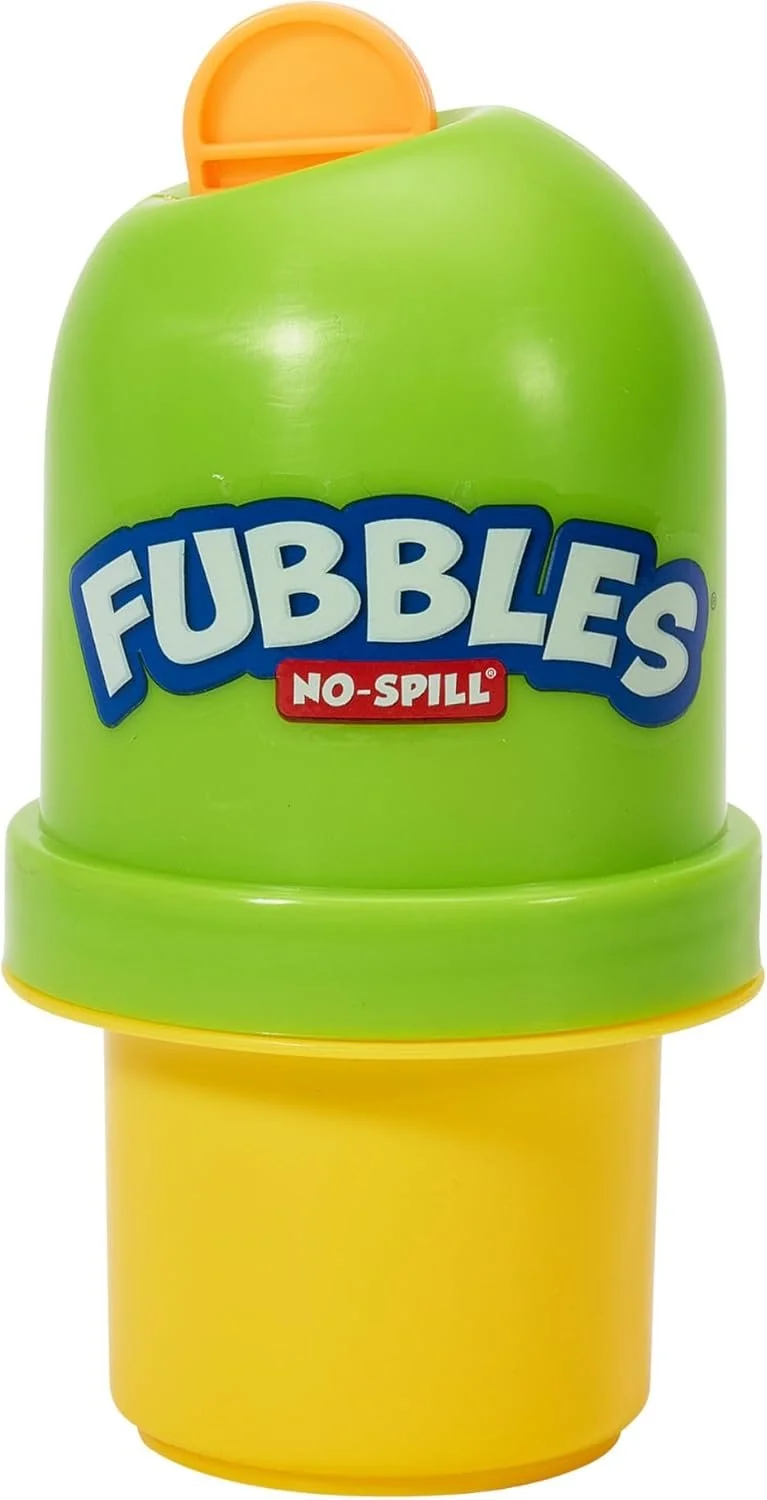
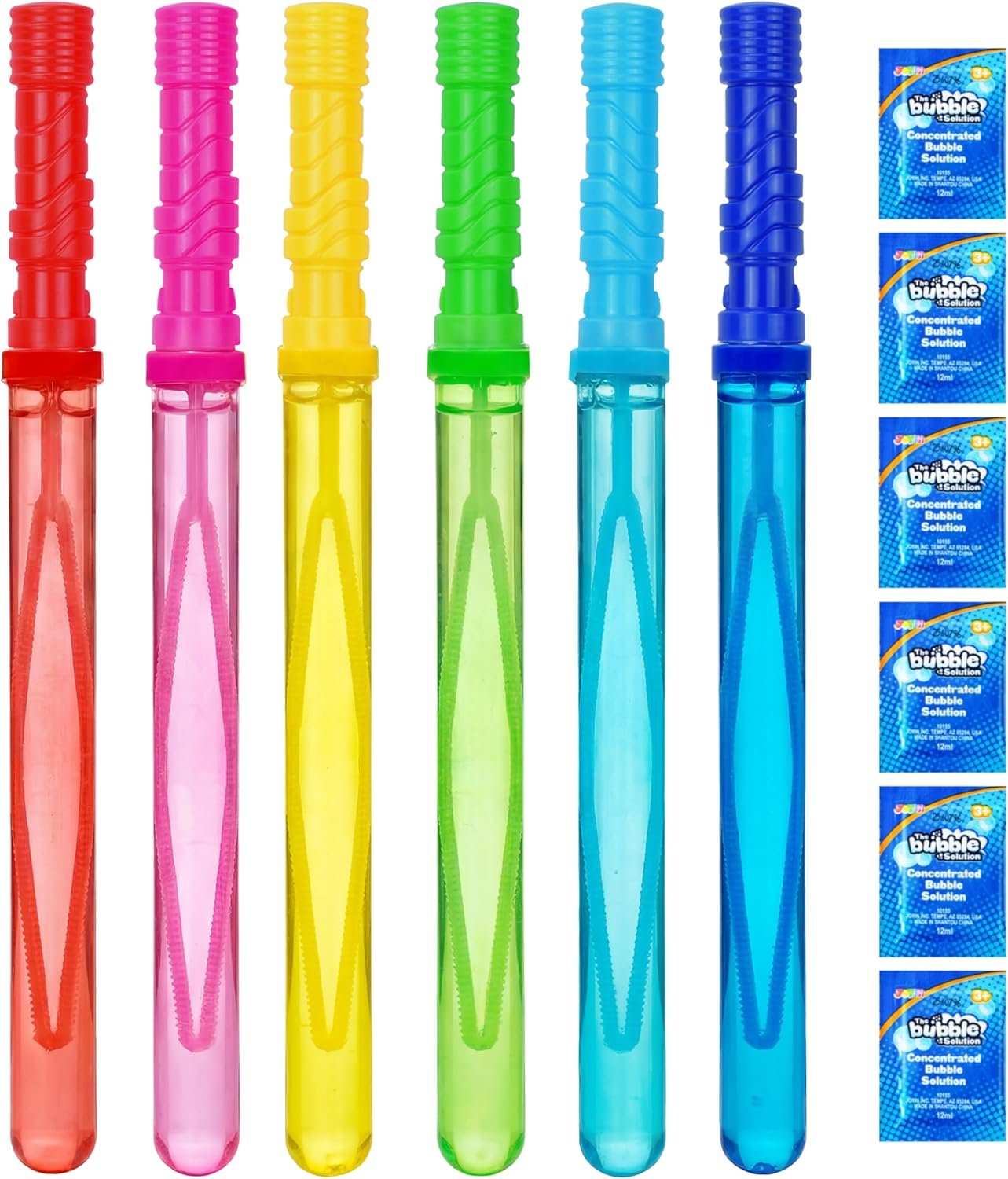
2. A Toy Farm or Dollhouse
These allow for "Functional Play", mimicking real life. They allow us to target the following:
Verbs: Open, close, want, help, drink, sleep, fall, jump, fly.
Core Vocabulary: Go, stop, put, on, off, top, me/my, you, want, more.
Questions: Who is on the farm? Where is the cow? What is the pig doing?
Parents often ask: “Do I need the expensive wooden set, or is the plastic one okay?" and "Should I get the set that makes animal sounds or talks?"
My answer is: The best toy is the one that gets you playing together! However, I often recommend sets that have doors that open and close or containers (like a silo or a bed). These features naturally trigger "Power Words" like "Open," "In," and "Out." While electronic toys are fun, they can sometimes "take over" the conversation. Research shows that parents actually talk less when a toy is making the noise for them. I prefer sets where the child (or you!) makes the 'Moo' or 'Oink.' It encourages more vocal imitation.
My Favorite Barn and Dollhouse Options:
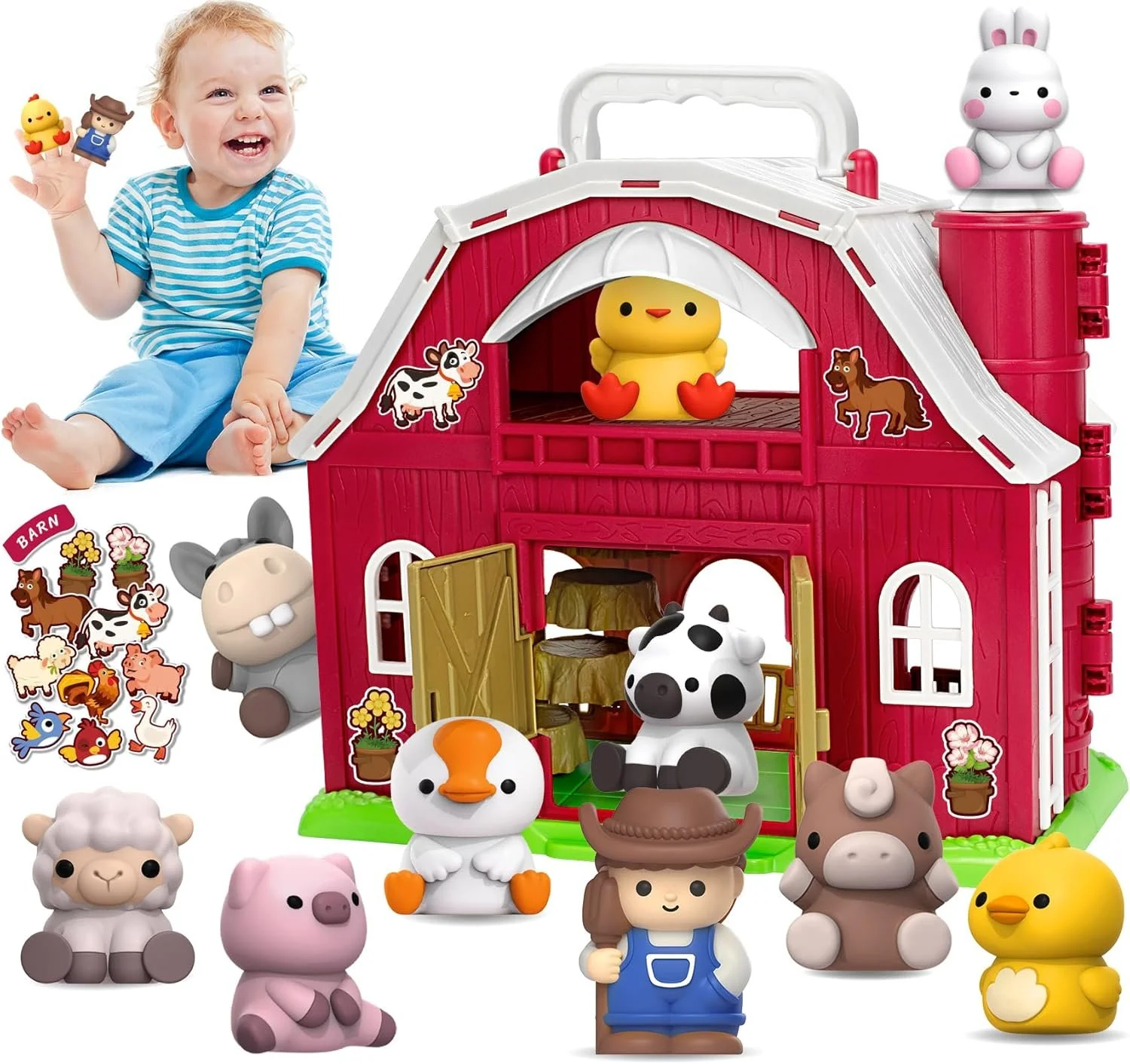
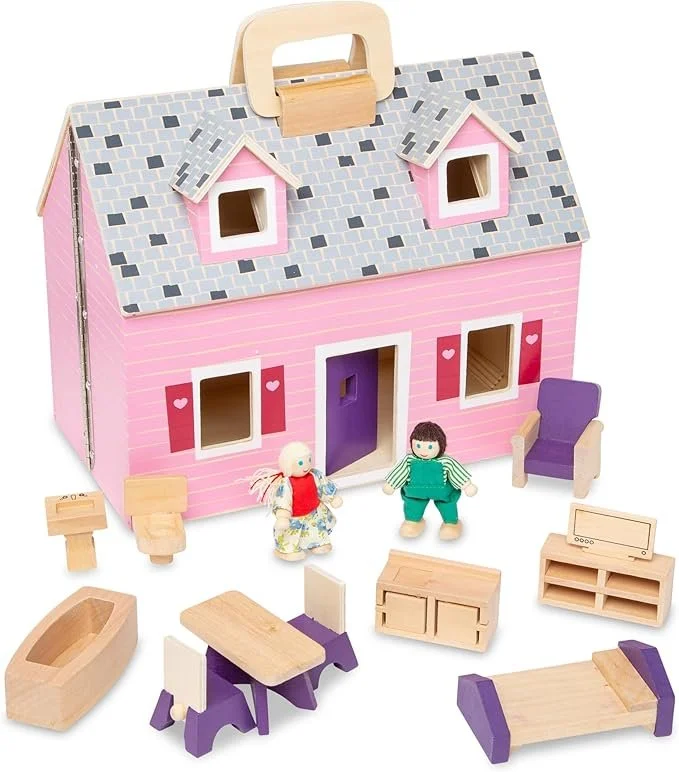
3. Stacking Cups or Blocks
The classic "Uh-oh!" toy.
Cause and Effect: Build it up... and knock it down!
Anticipation: "Ready... set... [pause]... GO!"
Basic Concepts: Big vs. small, tall vs. short, and colors.
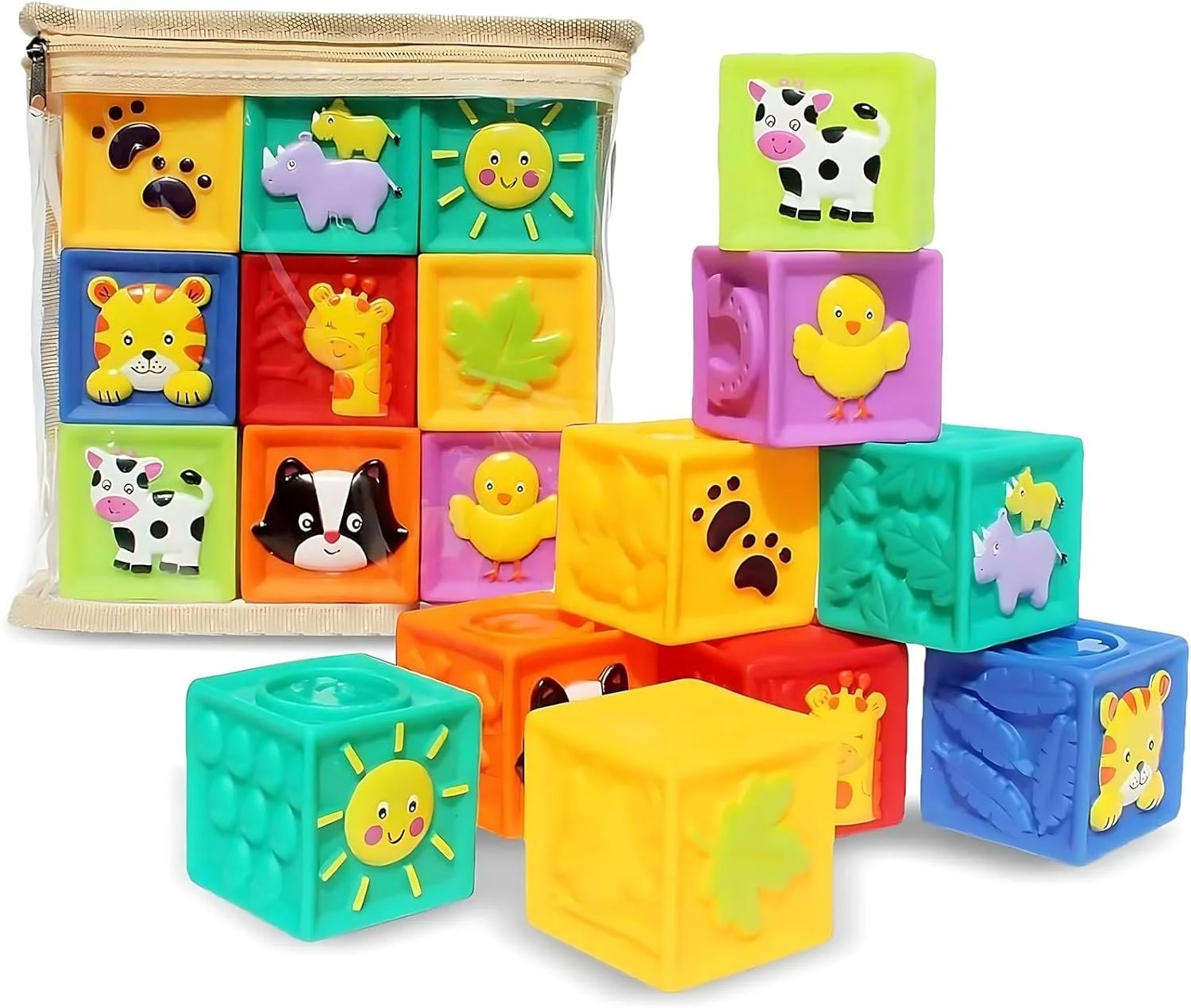
Parents often ask: "What kind of blocks should I get? The big plastic ones or the wooden ones?" My answer is: Both are great! However, I love soft blocks either the soft fabric or silicone blocks are perfect for those early "Crash!" moments without the loud noise or sharp corners, especially if you have a younger toddler.
My Favorite Stacking Blocks:
4. Mr. Potato Head
There is a reason this toy has been around for decades. It is a powerhouse for:
Core Vocabulary: All done, help, more, out, in, on & off
Spatial concepts & Following directions: Put his eyes ON. Put his mustache UNDER his nose.
Plurals: Ears, hands, eyes, shoes, arms & teeth.
Verbs: Eat, hear, see
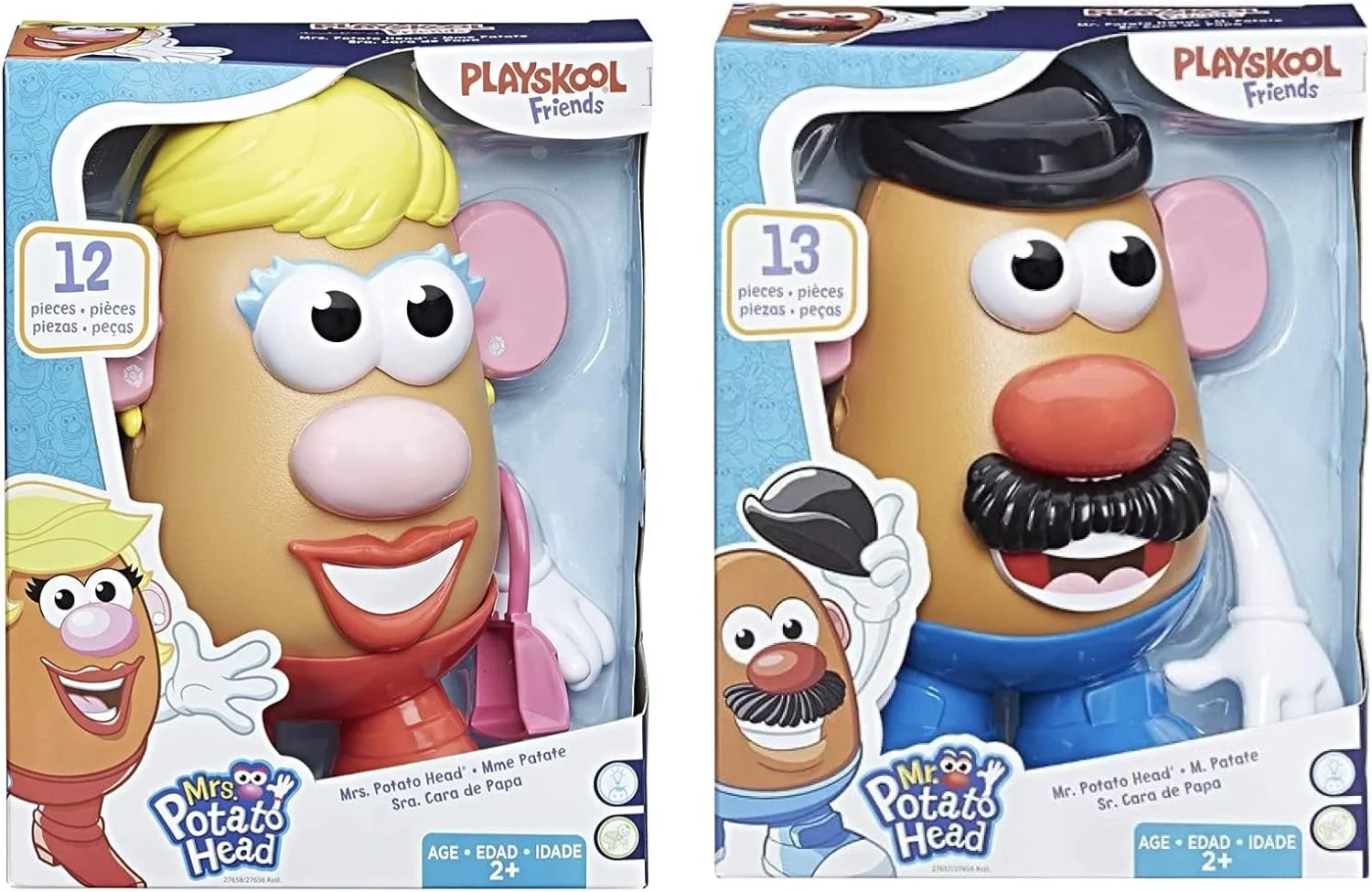
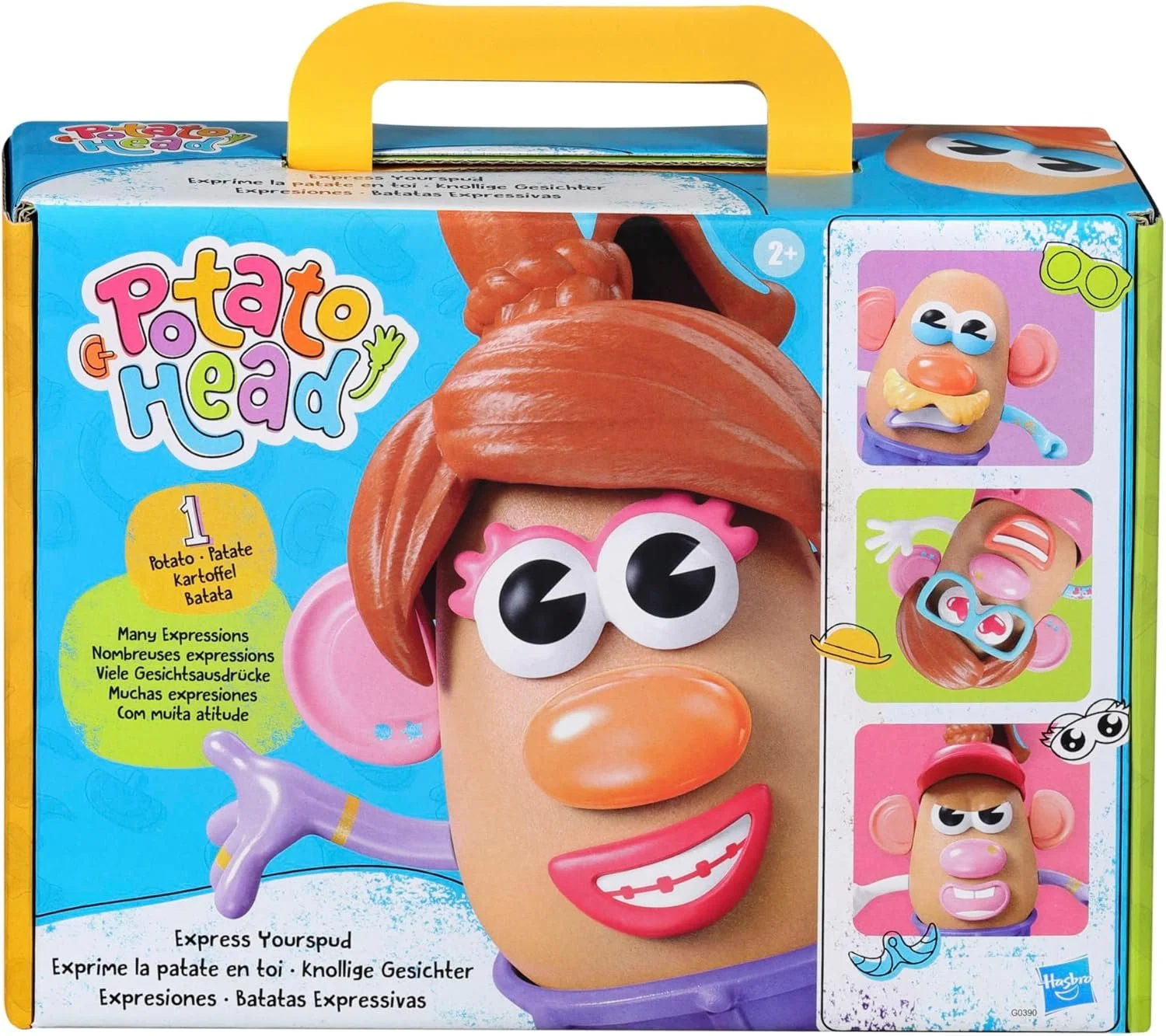
Parents often ask: "My child gets frustrated because the pieces are hard to push in. Should I help them?" My answer is: Yes! But use it as a language opportunity. Before you help, model the power word "Help" or "Open" (for the back compartment). This turns a moment of frustration into a successful communication win. I also recommend the "Silley" sets that come with extra-expressive faces to help target emotions like "happy" or "surprised."
Here Are My Favorite Mr. & Mrs. Potato Head Options:
The Secret Ingredient? YOU.
The most important thing to remember is that no toy can replace you. A toy is just a tool to get you and your child looking at each other, taking turns, and having fun together.
Are you worried about your toddler's speech and/or language milestones? If you’re in the San Antonio area, I’d love to help. At Small Talk Speech Therapy, PLLC, we specialize in play-based early intervention that makes "learning to talk" the best part of your child's day.
This post contains affiliate links. If you purchase something using my links, I may earn a small commission at no cost to you.
