The Two-Year-Old Birthday Wishlist: An SLP’s Evidence-Based Guide
As a pediatric speech-language pathologist here in San Antonio, I’m lucky to be surrounded by a big, wonderful family. Whether we are at a backyard BBQ or a birthday party, the conversation almost always turns to the same question: "Sawsan, what should I get for the kids this year?" Friends and family are always looking for that "perfect" gift, you know, the one that won't just sit in the toy box, but will actually help their little ones reach those exciting milestones. I found myself giving the same advice so often that I realized I needed to put it all in one place!
I’m writing this blog to cut through the noise of the "talking" electronic toy aisle. I want to show you the toys I actually use in my therapy sessions at Small Talk Speech Therapy in San Antonio. These toys aren't just fun, but they allow speech therapists and parents to use them in a manner that sparks the "language explosion" we all love to see.
So let’s talk about the play and language side of it:
By the time your child reaches their second birthday, their communication undergoes a massive shift! They are no longer just using single words to get what they want; instead, short phrases (like "More juice" or "Doggy run") begin to dominate their speech (Paul & Norbury, 2012). This period is often when parents notice a "growth spurt" in both the number of words a child knows and the complexity of how they put those words together to share their thoughts (Hadley et al., 2016).
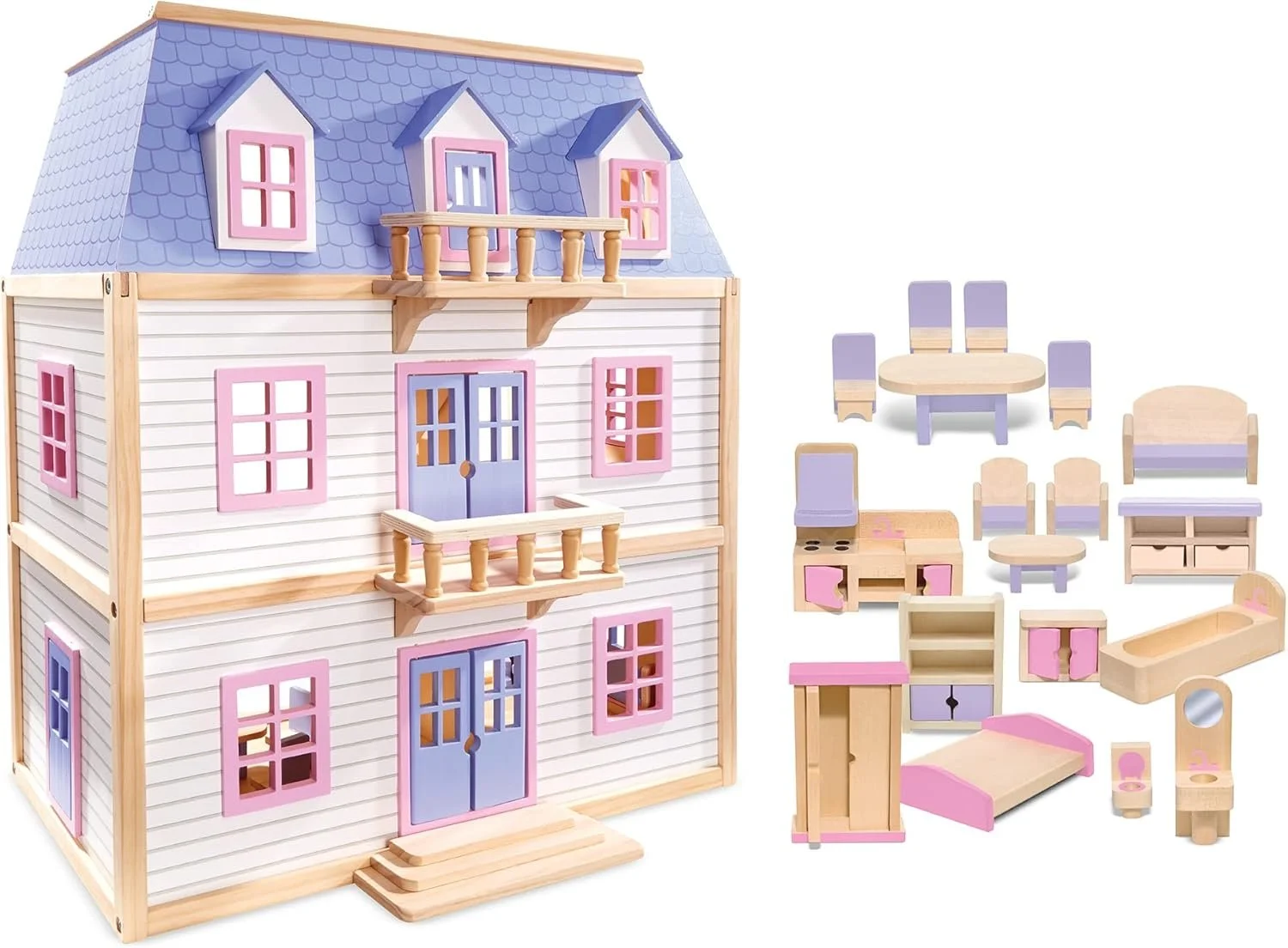
To support this exciting stage, thematic play sets, like a farm, a dollhouse, or a car garage become the perfect "learning laboratories." These toys are excellent because they encourage Advanced Symbolic Play, which is Advanced Pretend Play. This is where children act out multi-step stories that mirror real life, such as "washing" the car before "parking" it in the garage (Westby, 1980). Because these sets provide a familiar and fun story, they are ideal for helping your child move beyond just labeling objects (like "cow") to using "Power Words" like verbs (eat, sleep), descriptors (big, dirty), and location words (in, under) (Basso et al., 2021).
Here are some of my favorite toys to use in speech therapy:
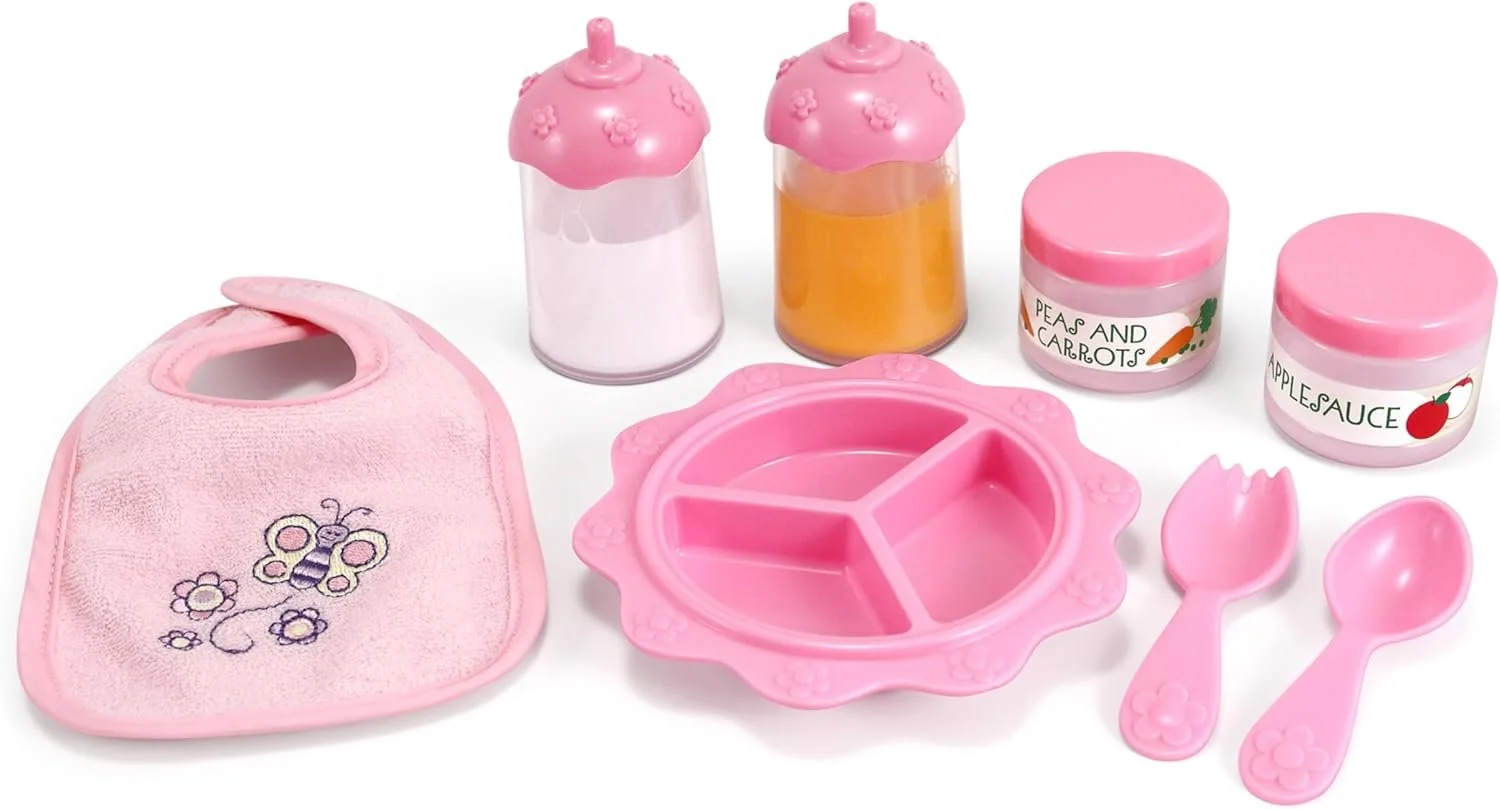
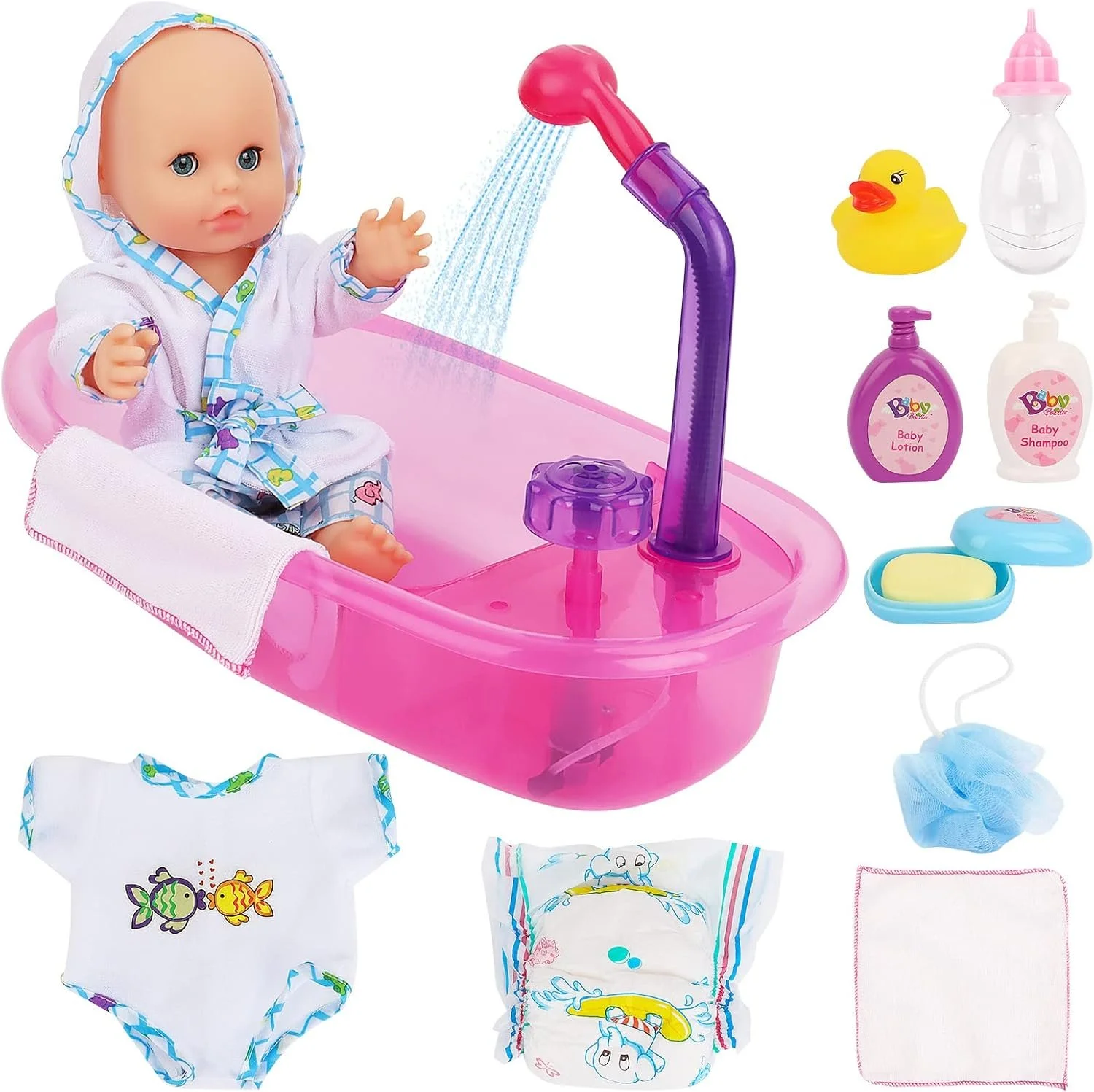
Baby Doll & Baby Doll Accessories:

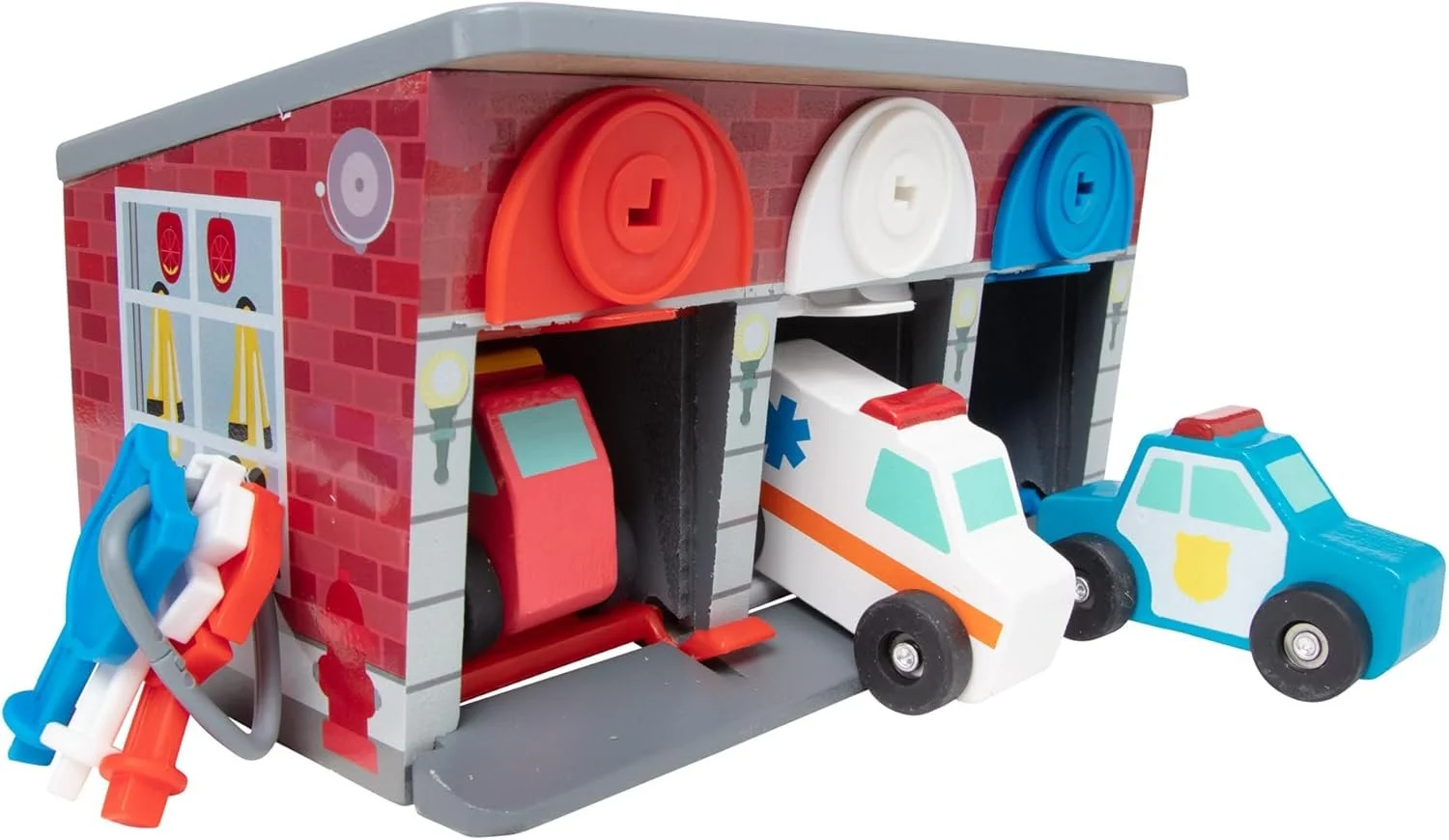
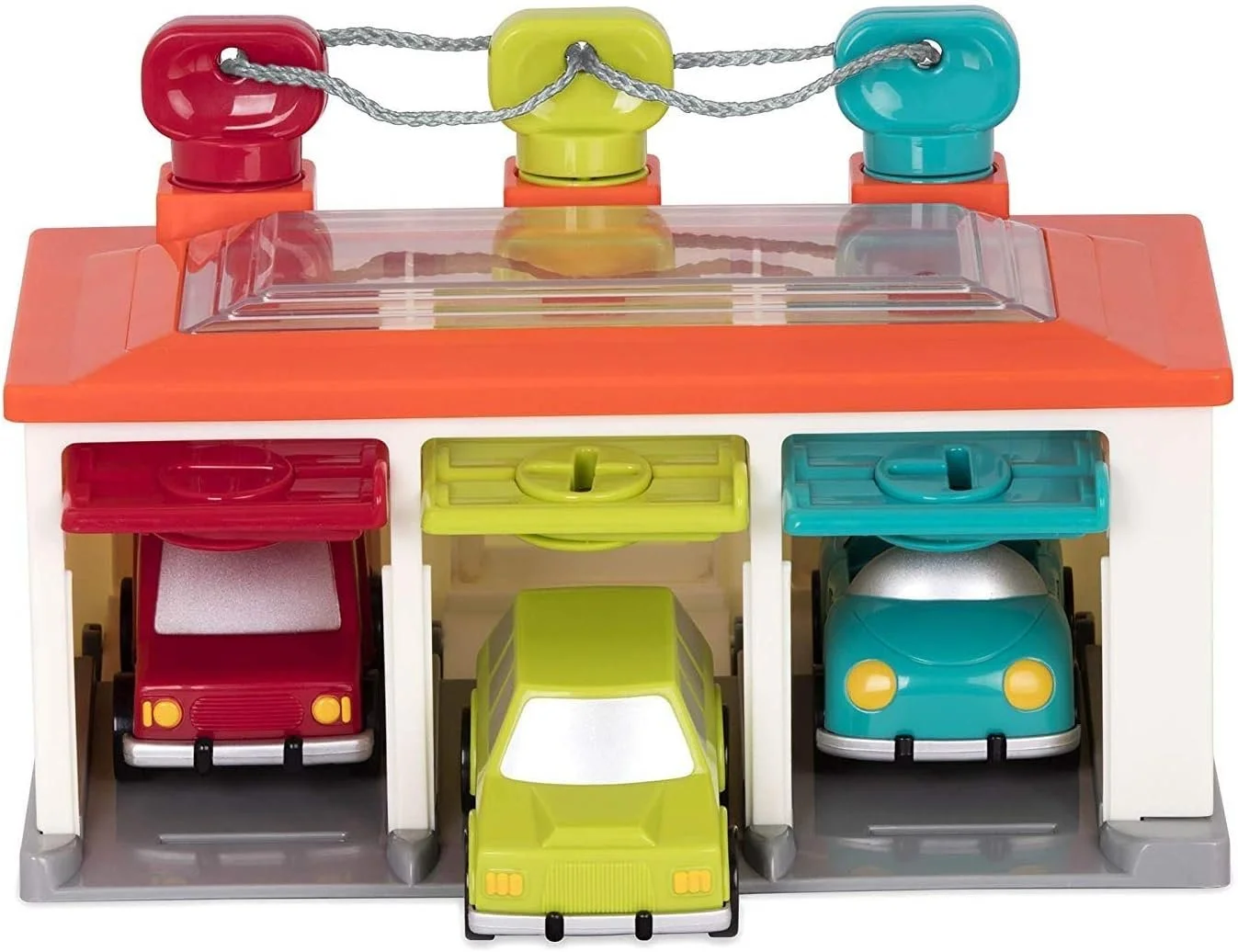
Car Garage With Keys:
Dollhouse & Play House:

Pet Vet Toy Set:


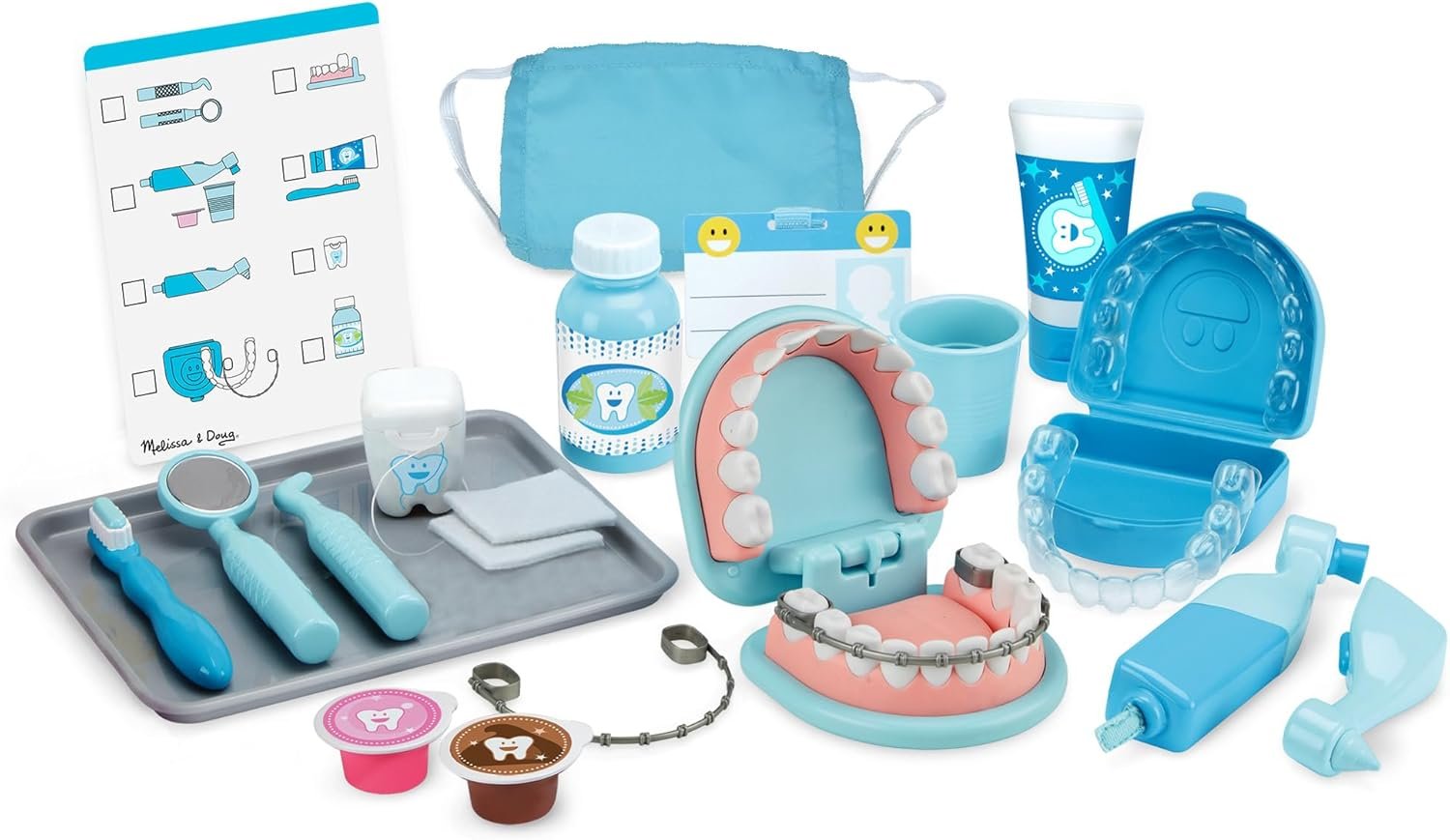
Doctor’s & Dentist’s Kit:

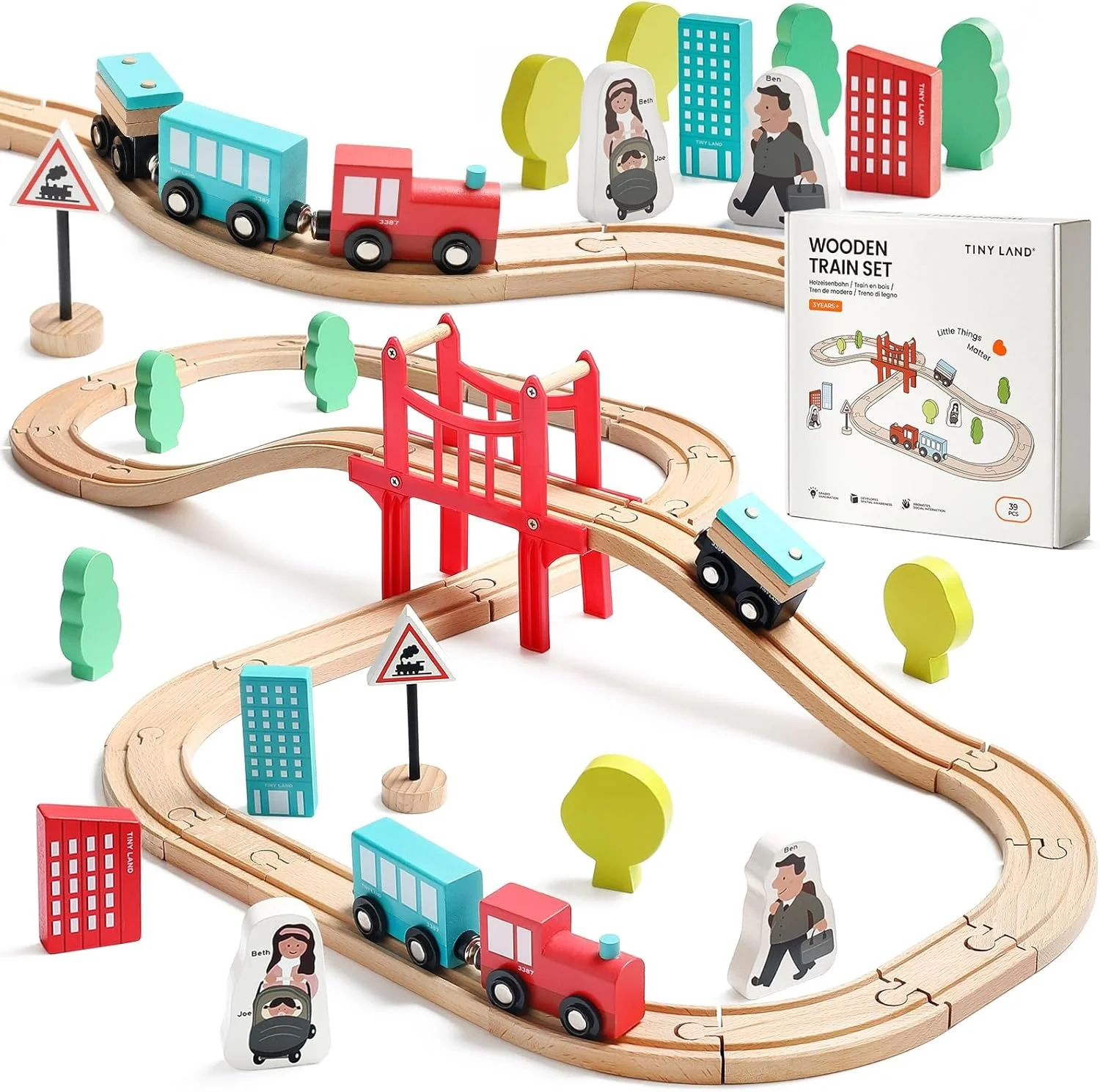
Trains:

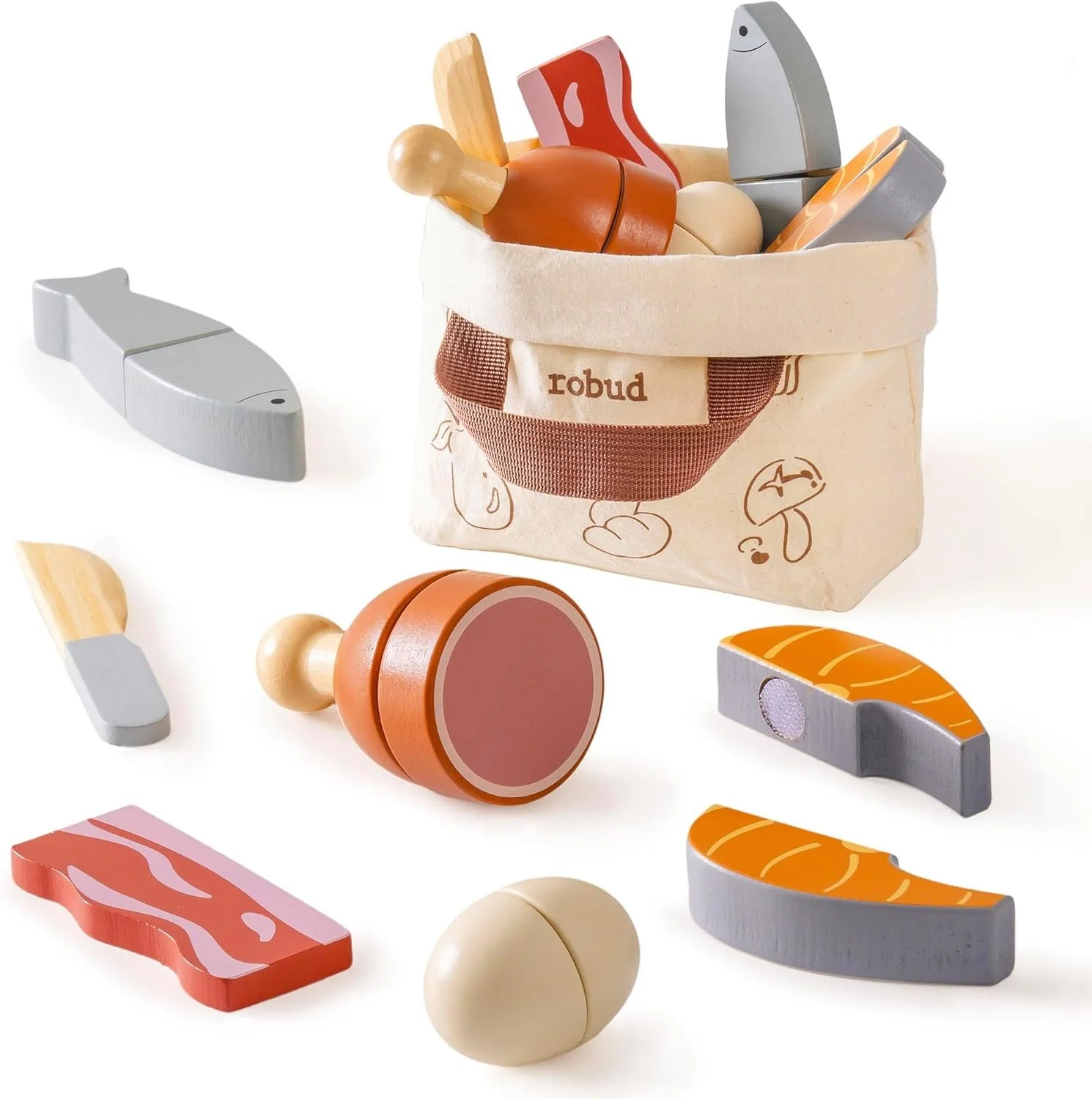
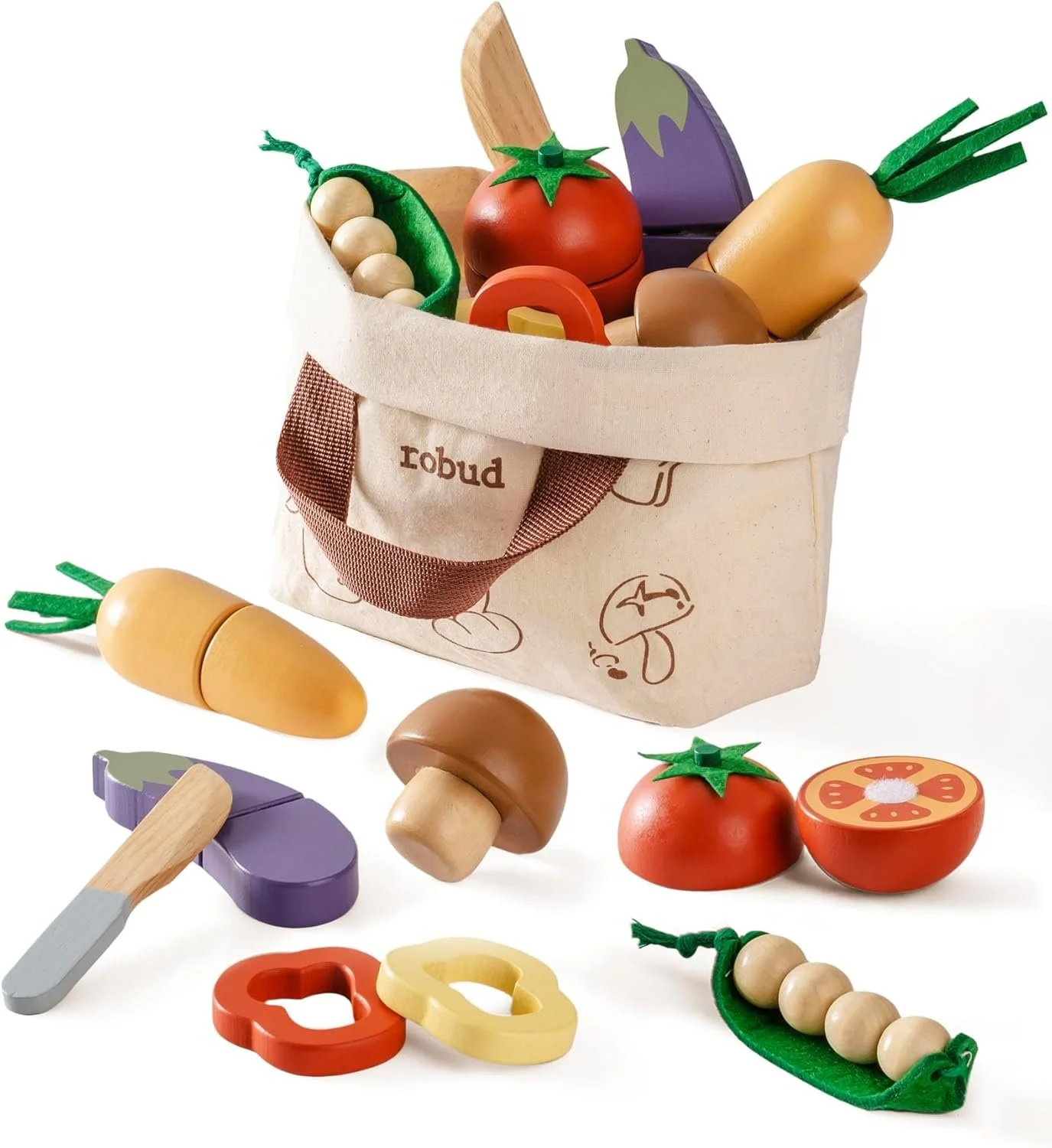
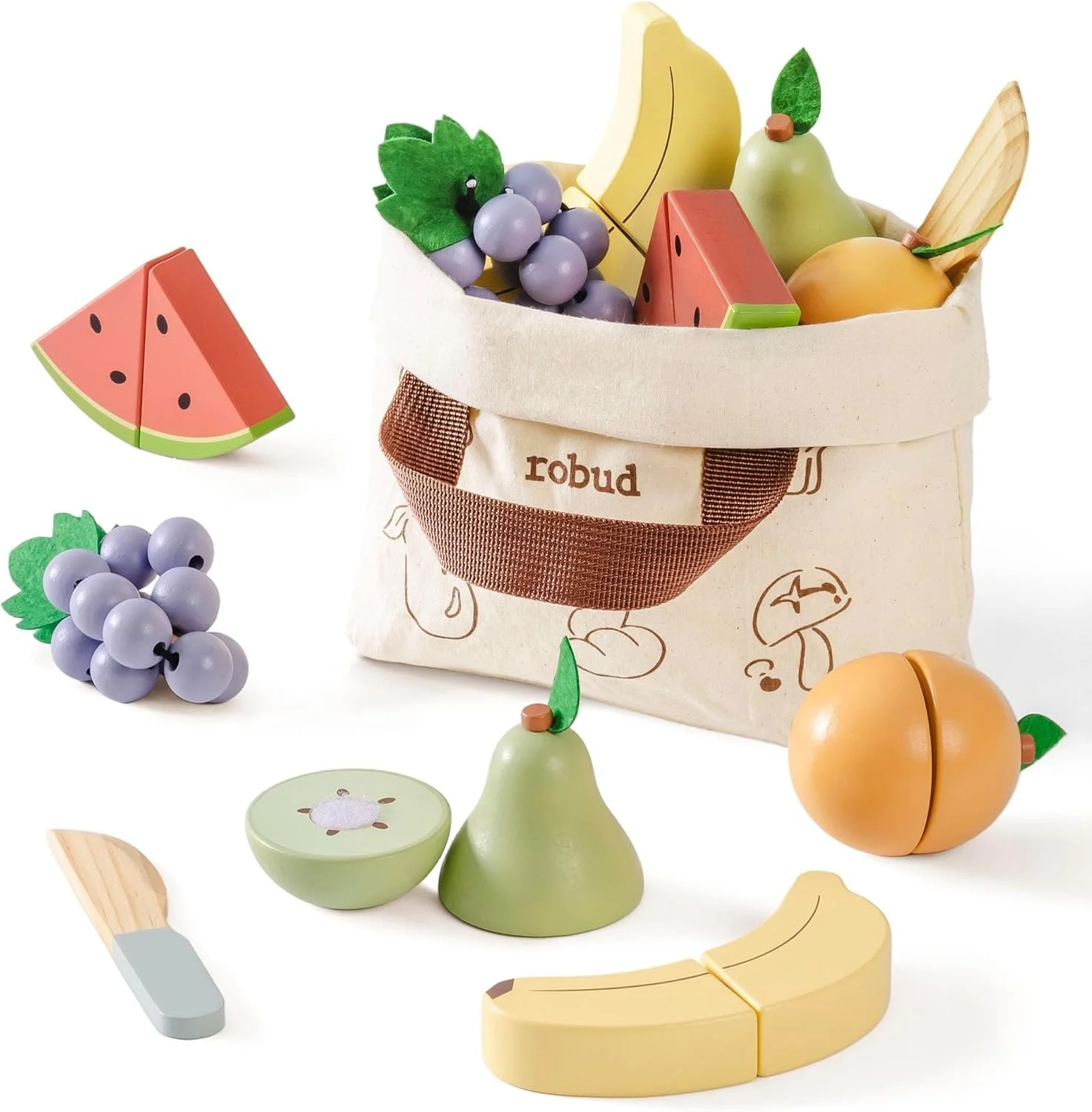
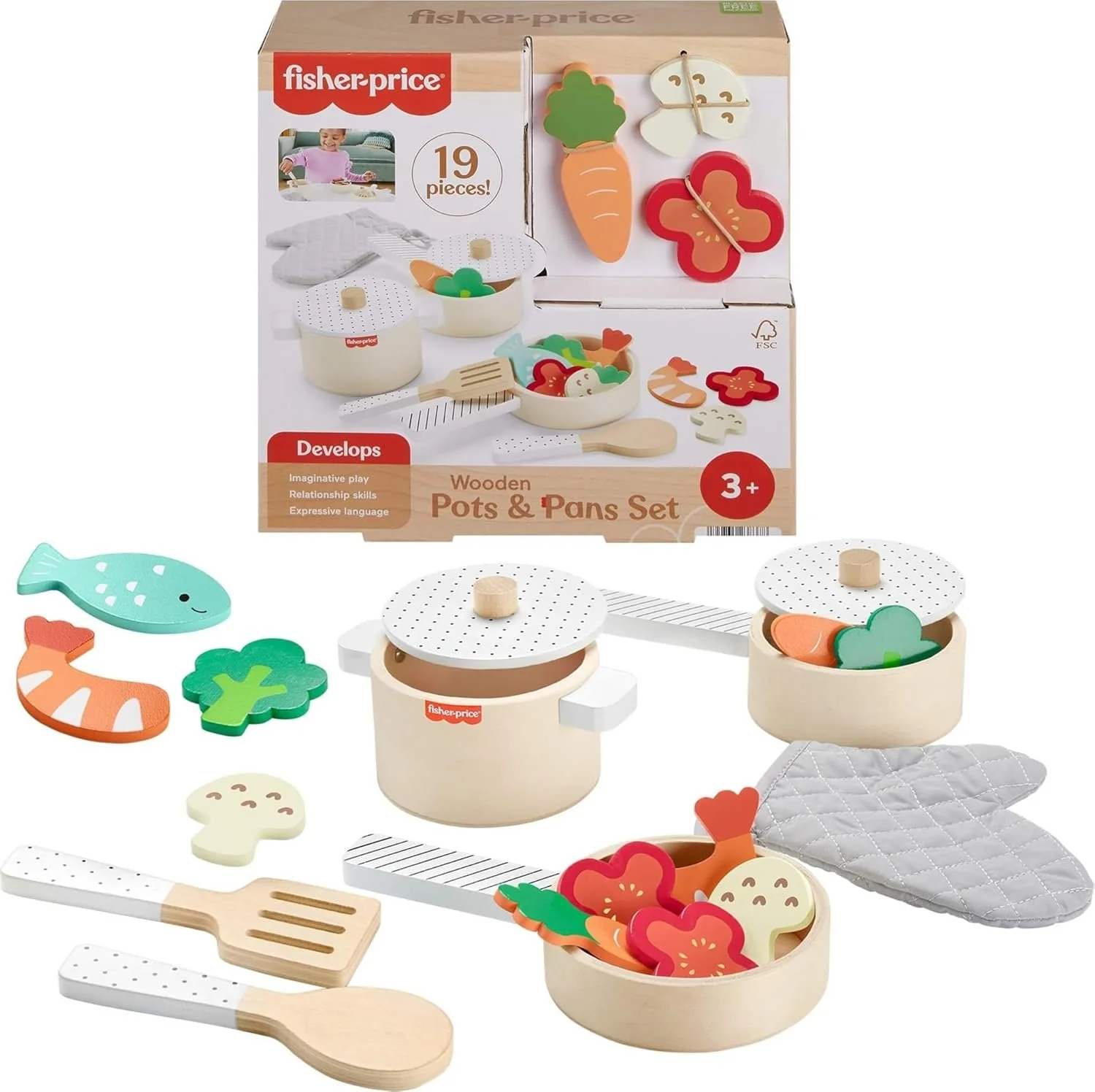
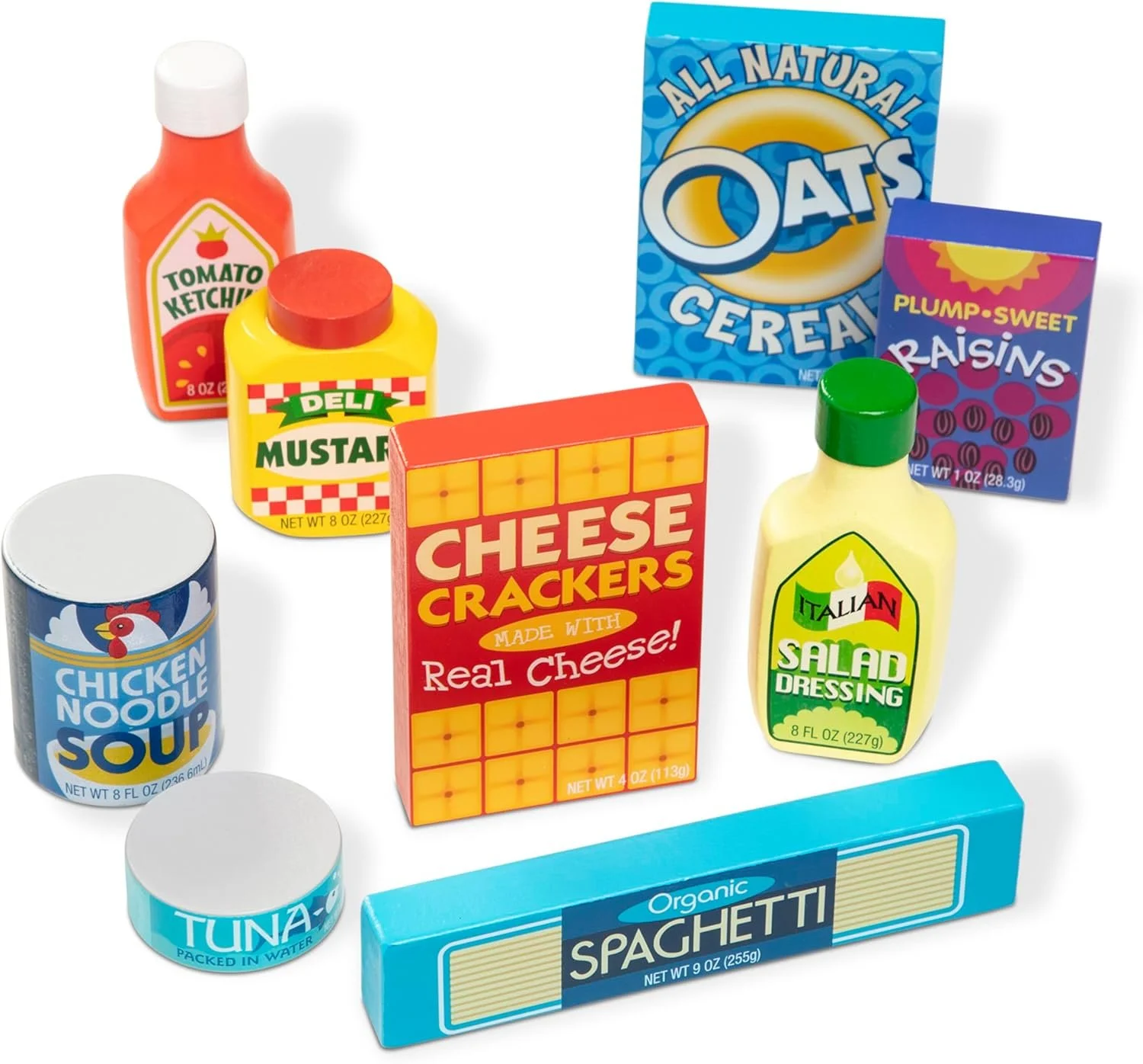
Kitchen Set & Pretend Food:

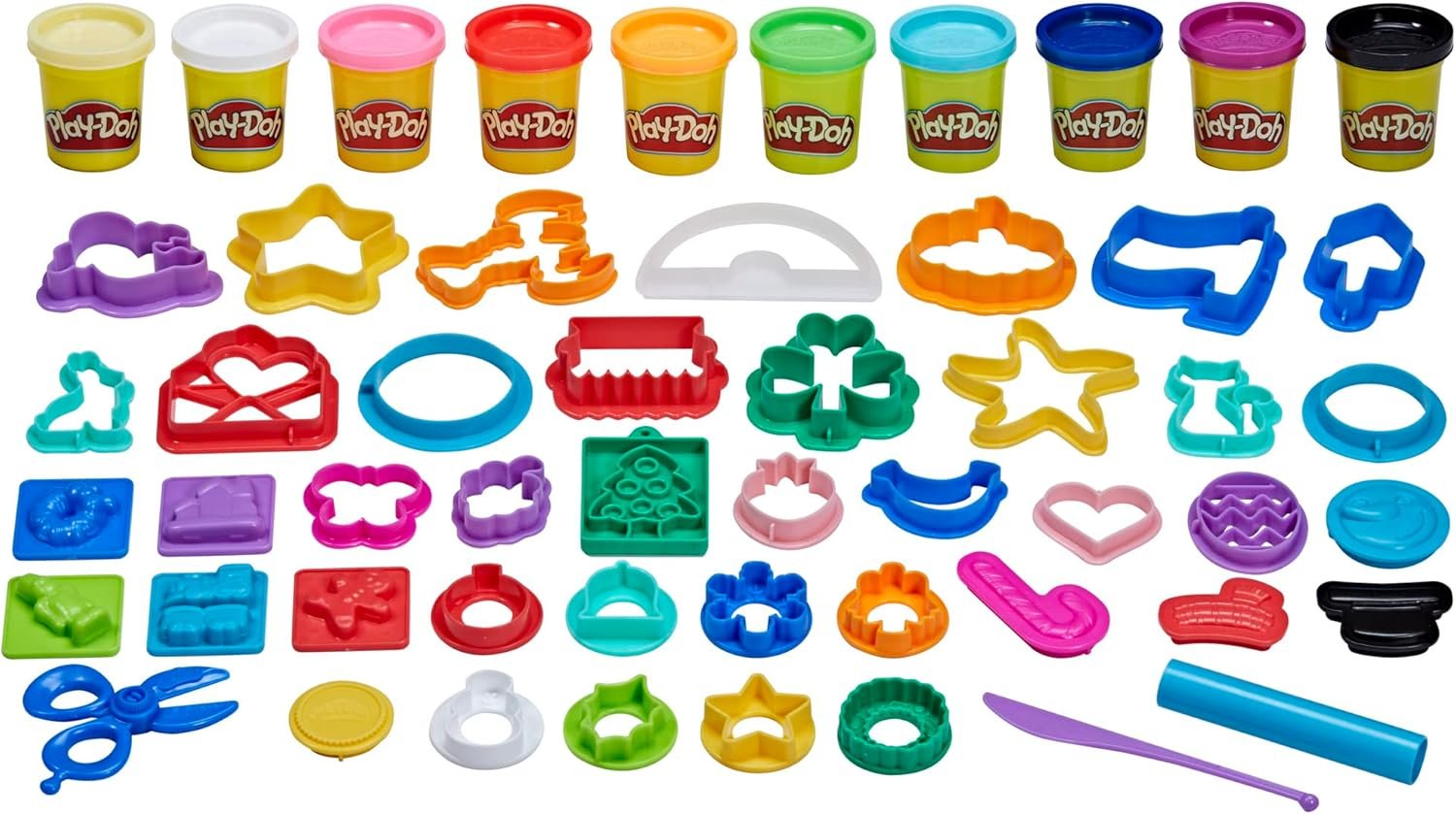
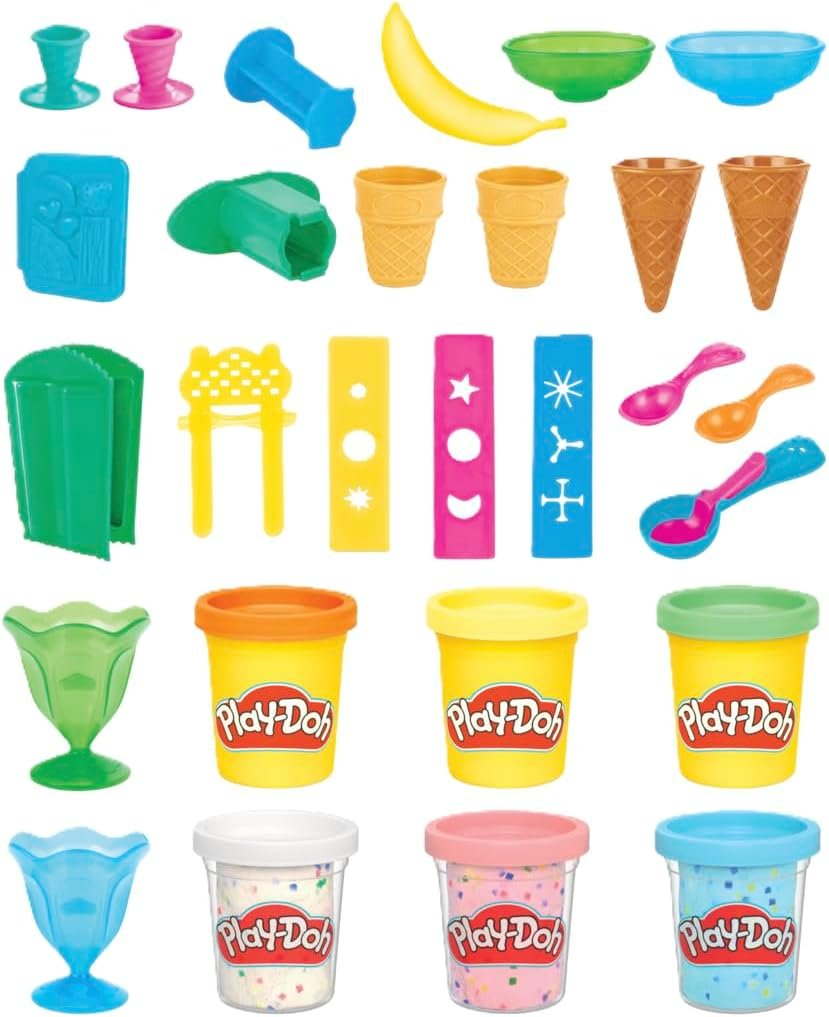
Playdoh:
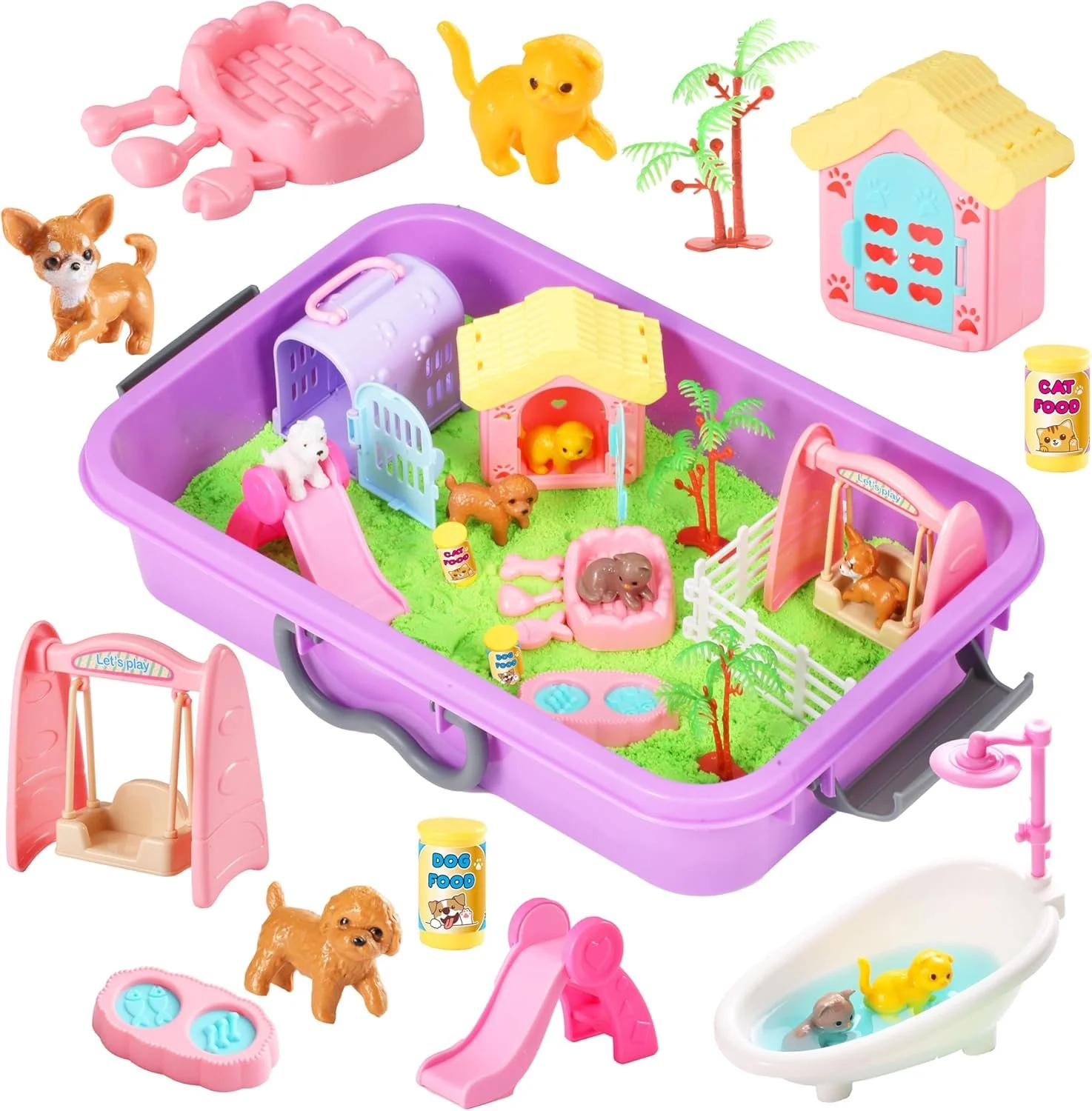
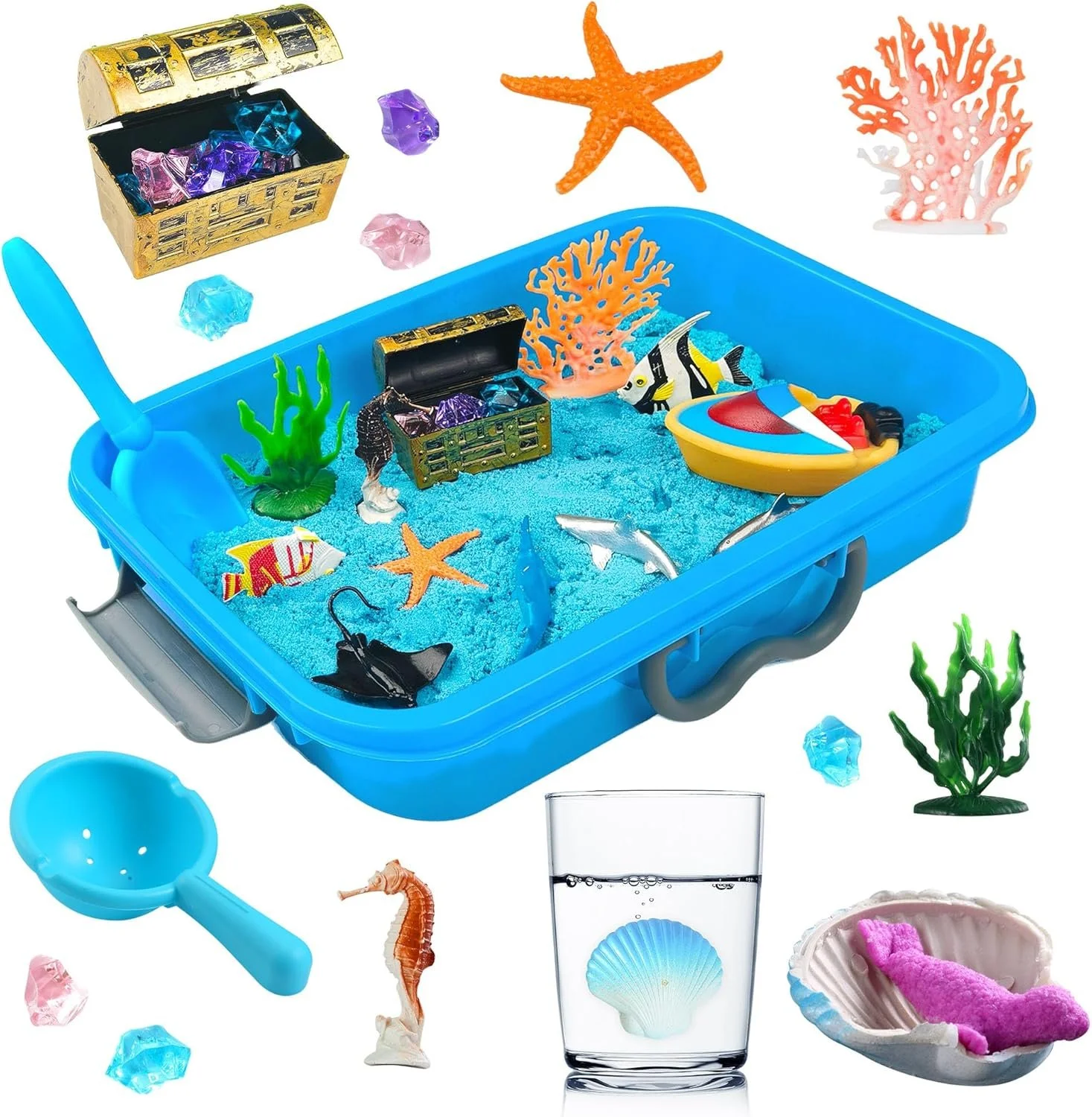
Sandbox:
It is important to remember that while these toy recommendations are rooted in developmental research, your child’s favorite "toy" might not be found in a store at all. These are simply some of my personal favorites, but it does not mean your child must engage with every single one to thrive. Every toddler has unique interests and sensory preferences. The most important factor isn't the specific brand of the toy, but rather that your child's play is evolving in complexity, which means they are moving from simple exploration to the intentional and symbolic stages that build a foundation for language (Basso et al., 2021).
Ready to Support Your Child's Play And Language Development?
If you’re unsure about your child’s play skills or want to learn more about how to support their communication milestones, I would love to connect with you. At Small Talk Speech Therapy in San Antonio, we provide personalized, mobile therapy directly to families in North Central San Antonio.
References:
Basso, A. M., Iverson, J. M., & Libertus, K. (2021). The role of functional play in language acquisition. Journal of Early Childhood Research, 19(2), 154–168.
Tamis-LeMonda, C. S., Bornstein, M. H., & Baumwell, L. (2001). Maternal responsiveness and children's achievement of language milestones. Child Development, 72(3), 748–767.
Westby, C. E. (1980). Assessment of cognitive and language abilities through play. Language, Speech, and Hearing Services in Schools, 11(3), 154–168.
This post contains affiliate links. If you purchase something using my links, I may earn a small commission at no cost to you.
